
Brain Fog Is Not Just Tiredness: What People Actually Experience and What Slowly Helps
- Authors

- Name
- Author: HealthUnspoken Editorial Team
- Published on
- Last updated:
- Country
- Country
- 🌍Country: Global
Most people describe brain fog with apology in their voice. "I know this sounds vague." "Maybe I am just overthinking." "Maybe I am just lazy." But what many people actually describe is not ordinary distraction. It is a recurring state where thinking feels slower, recall feels unreliable, and even simple decisions feel heavy.
This page is a synthesis of lived experiences, including repeated patterns from reader-style comment threads and personal narratives. It is not a diagnosis guide. It is an editorial map of what people noticed, what helped some of them, what did not, and where caution matters.
Expectation vs Reality
Expectation
People often expect brain fog to be a short phase:
- "I just need one good night of sleep."
- "I should push harder and stay disciplined."
- "I probably need one supplement and this will pass."
Reality
For many, reality is more layered:
- some days are clear and productive, then a heavy fog returns without warning
- post-meal periods can trigger sudden cognitive dips
- poor sleep amplifies next-day fog, but sleep alone does not always solve it
- stress, blood sugar swings, digestive discomfort, and hormonal context can all influence severity
- one person improves with a strategy that makes another person worse
The gap between these two realities creates frustration. The more people fail to "fix it quickly," the more they blame themselves.
How the Pattern Usually Starts
Brain fog rarely begins with a dramatic event. More often, it starts quietly:
- difficulty staying with one thought
- reading the same sentence repeatedly
- losing words mid-conversation
- forgetting what you were about to do
- feeling mentally slow despite being physically awake
Because these signs are subtle, people compensate for a long time. They work longer, drink more caffeine, cut more sleep, and try to "out-discipline" the problem.
That compensation can work for a while. Then it usually stops working.
When It Starts Affecting Daily Function
Once fog becomes recurrent, the impact is practical, not abstract.
At work or school:
- attention breaks faster
- planning takes longer
- small tasks feel disproportionately effortful
- confidence drops because output no longer matches effort
At home:
- emotional reactivity increases when the brain is overloaded
- conversations become harder to track
- decision fatigue arrives earlier in the day
Socially, people often feel misunderstood. From outside, it can look like low motivation. From inside, it feels like cognitive friction all day.
What People Kept Reporting
From comment patterns and lived stories, several themes repeated consistently.
I ran a bounded MySQL pull from the curated comments_high_quality tables before tightening this article. The results were noisy in the way brain-fog discussions usually are, but the recurring patterns were still useful:
- some people described major improvement after changing sleep, diet, alcohol use, or a deficiency they had not recognized
- some described the opposite problem: strong claims and strict routines that did not help them at all
- several stories centered on not feeling rested even after sleeping, or on long periods of insomnia before cognitive clarity returned
- others described symptom clusters rather than one isolated problem: fatigue, migraines, anxiety, pain, concentration trouble, or post-meal crashes showing up together
- a repeated risk signal was delayed medical review because the symptom sounded too vague to explain
That mix matters. "Brain fog" is one of those labels people use for many different experiences, so the article needs to reflect variation rather than push one universal answer.
1) Food-response patterns were common, but not identical
Many people reported stronger fog after high-sugar or high-refined-carb meals. Some described a predictable "post-meal crash" followed by partial recovery hours later.
Others improved after reducing added sugar and changing meal composition. A subset described clearer thinking after lower-carb approaches.
But this was not universal. Some people reported the opposite: fog worsened on restrictive plans, especially when sleep, hydration, micronutrients, or overall calorie intake became unstable.
2) Sleep quality mattered more than sleep duration alone
People frequently described a pattern of "I slept, but did not recover."
Recurring issues included:
- waking in the night and not returning to deep sleep
- waking too early with racing thoughts
- non-restorative sleep despite enough hours in bed
When nights were fragmented, fog was usually worse the next day.
3) Stress and uncertainty amplified cognition problems
When people became anxious about their cognitive state, symptoms often intensified.
A common loop:
- Notice fog.
- Fear something serious immediately.
- Stress spikes.
- Focus worsens further.
- Panic reinforces the original symptom.
This did not mean symptoms were "just anxiety." It meant anxiety often magnified an already real problem.
4) Gut and inflammation narratives appeared repeatedly
Some people linked fog onset to digestive disruption (for example, after antibiotic courses or during periods of gut instability). Others described improvement when digestive symptoms were better managed.
These reports are not proof of one gut-based cause, but they do suggest that brain-fog experiences are often systemic, not only "mental."
5) "One-size-fits-all" advice caused setbacks
Many comments reflected the same lesson: what helps one person can backfire for another.
That includes diet protocols, fasting windows, supplement stacks, and sleep hacks. People who did best usually adjusted gradually and tracked their own response rather than copying rigidly.
Experience Blocks
1) The person who improved quickly after removing sugar spikes
One recurring story was dramatic short-term improvement after cutting added sugar and reducing refined carbs. In these stories, people described better daytime energy, fewer crashes, and clearer focus within days to weeks.
2) The person who tried the same approach and felt worse
Another repeated story was just as important: some people felt weaker, foggier, or more sleep disrupted after a strict dietary shift. They needed slower transitions, better meal planning, and in some cases medical review for underlying conditions.
3) The person whose fog was strongest after meals
Several people reported a predictable cycle: meal, then fog, then gradual recovery after a few hours. They often spent months thinking this was "normal tiredness" before realizing the pattern was consistent and trackable.
4) The person dismissed as "not trying hard enough"
A painful but common theme: people were told to "focus more" while they were already exhausting themselves trying to function. Validation often came late.
What Felt Common
Even though people came from very different routines and health histories, a few patterns showed up again and again. Many waited too long to ask for help because brain fog is hard to describe without sounding dramatic. A lot of people changed too many things at once, then felt frustrated because they could not tell what was actually helping.
The people who reported steady improvement usually did not describe one miracle fix. They described boring, repeatable basics that they stuck with long enough to judge properly. Another repeated pattern was emotional pressure: self-blame made symptoms feel heavier, and urgency often made experimentation messier.
Most wanted a clear, immediate answer, but progress usually came through slower pattern recognition. And one quiet shift mattered: the words people used for themselves. Moving from "I am failing" to "my system is overloaded" changed the quality of their decisions.
What People Slowly Realized
- Brain fog is a description, not a single diagnosis.
- Sleep, stress, metabolic response, and inflammation can overlap.
- "More effort" is not always the right intervention.
- Extreme protocols are risky when baseline physiology is unstable.
- Tracking triggers is often more useful than guessing causes.
- Gradual, repeatable routines outperform urgent overcorrection.
Perhaps the biggest realization was emotional: cognitive symptoms are hard enough without self-judgment. Compassion is not optional; it is functional.
Practical Stabilizers That Seemed Helpful
These are experience-informed patterns, not medical prescriptions.
Build a simple baseline first
For 2-3 weeks, simplify variables:
- consistent wake/sleep window
- regular meal timing
- hydration and protein adequacy
- reduced added sugar and ultra-processed snack cycles
Track patterns, not perfection
A short daily log can reveal useful links:
- sleep quality
- meal timing and composition
- stress intensity
- fog severity windows
- caffeine timing
Reduce cognitive overload during flare windows
- shorter task blocks
- fewer parallel decisions
- external memory supports (notes/checklists)
- low-friction routines for mornings and evenings
Treat internet advice as hypotheses
If trying dietary or supplement changes:
- change one major variable at a time
- monitor response for a reasonable window
- avoid stacking five interventions in the same week
Include nervous-system downshifting
People often benefited from low-intensity regulation habits:
- brief morning movement
- breathing practice
- short screen-free decompression before sleep
- structured pauses during high cognitive load
When It Felt Too Much
Some people reached a point where fog was no longer occasional. It started affecting job stability, relationships, safety, and mood.
At that stage, the most useful shift was moving from self-experimentation alone to collaborative clinical evaluation.
Common barriers were fear of dismissal and not knowing what to say. A pattern summary (symptoms, timing, triggers, sleep, meds, diet shifts) often improved those conversations.
When to Seek Medical Care
Brain fog can have many contributors. Seek medical review promptly when symptoms are persistent, progressive, or disruptive, especially if they appear with:
- new severe headaches
- fainting, confusion, weakness, or neurological changes
- persistent sleep disruption with daytime impairment
- mood deterioration, panic escalation, or depression symptoms
- concerning metabolic, thyroid, hormonal, or deficiency history
- post-infection changes that are not improving
Urgent symptoms should never be managed only through comment advice or self-treatment.
Closing Reflection
The most useful reframe is this: brain fog is not a moral failure.
For many people, it is a signal that multiple systems are under strain. The path forward is usually not one miracle trick. It is layered: better pattern recognition, safer experimentation, professional support when needed, and routines that the brain can trust.
Clarity may return gradually rather than dramatically.
That is still progress.
References
- CDC: About Sleep
- CDC: Chronic Fatigue Syndrome Basics
- MedlinePlus: Fatigue
- MedlinePlus: Problems With Thinking and Memory
Disclaimer: This article is an educational synthesis of lived experiences and public discussion patterns. It does not provide diagnosis or individualized treatment. Brain fog can overlap with sleep disorders, metabolic issues, thyroid problems, deficiency states, infection recovery, mood conditions, medication effects, and other medical causes. Health decisions should be made with qualified clinicians, especially for persistent, worsening, or high-risk symptoms.
Related Reading
Continue reading after Brain Fog Is Not Just Tiredness: What People Actually Experience and What Slowly Helps
When My Brain Randomly Switched Off And No One Believed Me
A lived-experience reflection on unexplained daytime sleepiness, sudden mental shutdowns, workplace shame, food and caffeine patterns, and when persistent sleep attacks need medical review.
GERD, Reflux, and the Fear Loop: What Took Me Years to Understand
A long-form lived-experience pillar on chronic reflux, nighttime pain, anticipatory anxiety, daily tradeoffs, and what helped create stability over time.
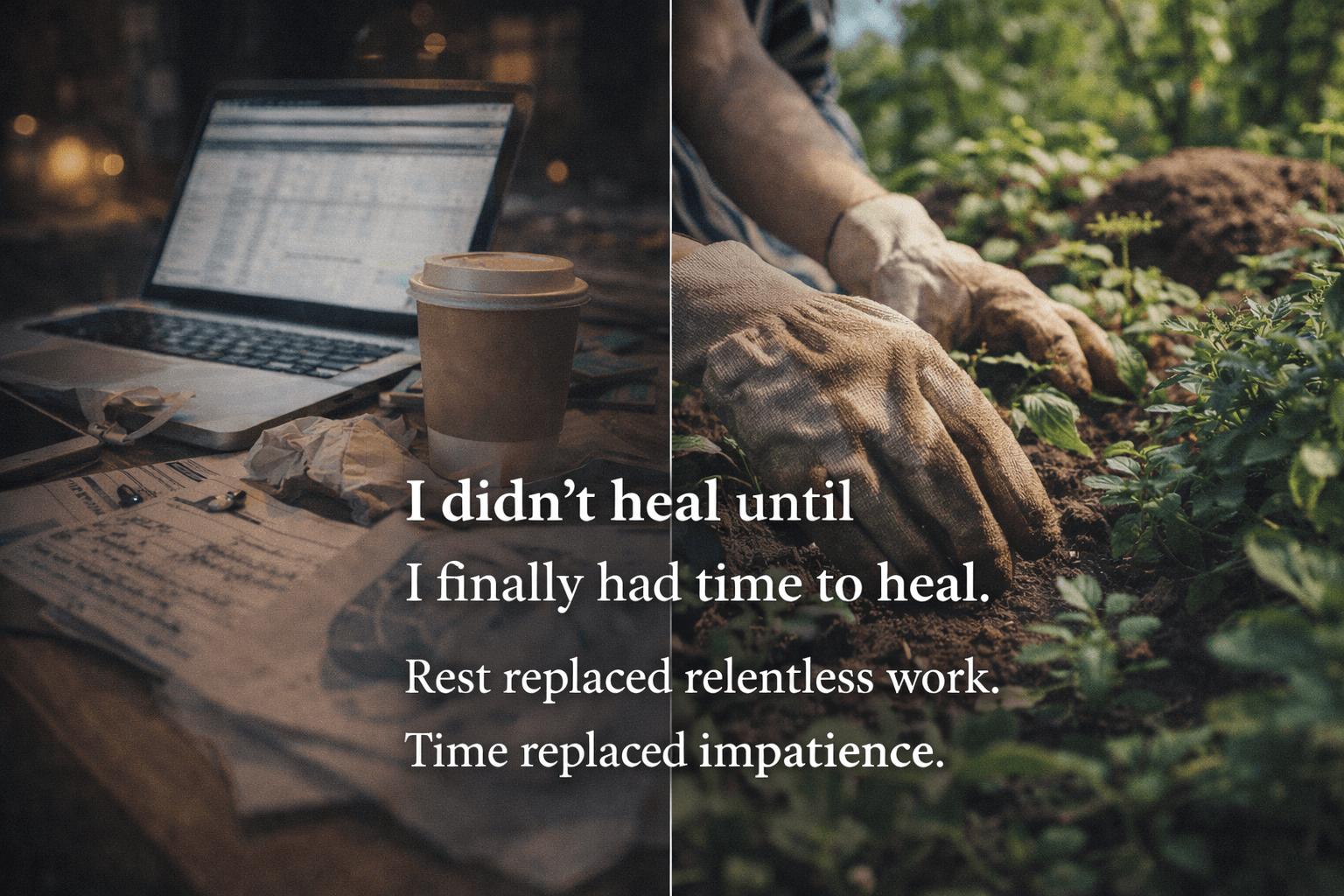
I Didnt Heal Until I Finally Had Time to Heal
A de-identified personal story about chronic pain, constant work urgency, burnout, nervous-system exhaustion, and the slower kind of recovery that only started once rest became real instead of theoretical.
Share on WhatsApp
2–3 line summary is copied. Tap to open WhatsApp and share.
 Tip: You can edit the text after it opens in WhatsApp.
Editorial Note
This article is prepared by the HealthUnspoken Editorial Team. Our articles may combine first-person submissions, public health education references, and commonly discussed experiences, then are edited for clarity and context.
The goal is reader awareness and education. This content is not a diagnosis or a treatment plan.
⚕️ Medical Disclaimer
The information provided in this article is for **educational and informational purposes only**. It should not be considered medical advice, diagnosis, or treatment. Always seek the advice of your physician or other qualified healthcare provider regarding any medical condition or treatment decisions.
🧾 Sources
HealthUnspoken articles may include first-person stories, editorial summaries of broadly discussed experiences, and public health education references. They are reviewed by the editorial team for clarity and educational context.
Reader Experiences Shared
Curated anonymized snippets from public health discussions, edited for readability.
I kept thinking brain fog troubling would settle on its own, but what helped most was tracking patterns and asking clearer questions in appointments.
The hardest part for me was uncertainty around brain fog troubling. Once I stopped changing everything at once, I could finally see what was helping.
I used to delay care because I was embarrassed about brain fog troubling. Earlier conversations would have saved me a lot of stress.
A second opinion around brain fog troubling changed my decisions completely. The issue was still real, but the plan felt calmer and more practical.
For me, progress with brain fog troubling came from boring consistency, not one dramatic fix. That mindset reduced panic a lot.
I learned to separate fear from facts with brain fog troubling. Writing down symptoms before visits made discussions more useful.