
From Keto to Protein-First Eating: What Helped Me Stabilize Cravings
- Authors

- Name
- Author: HealthUnspoken Editorial Team
- Published on
- Last updated:
- Country
- Country
- 🌍Country: USA
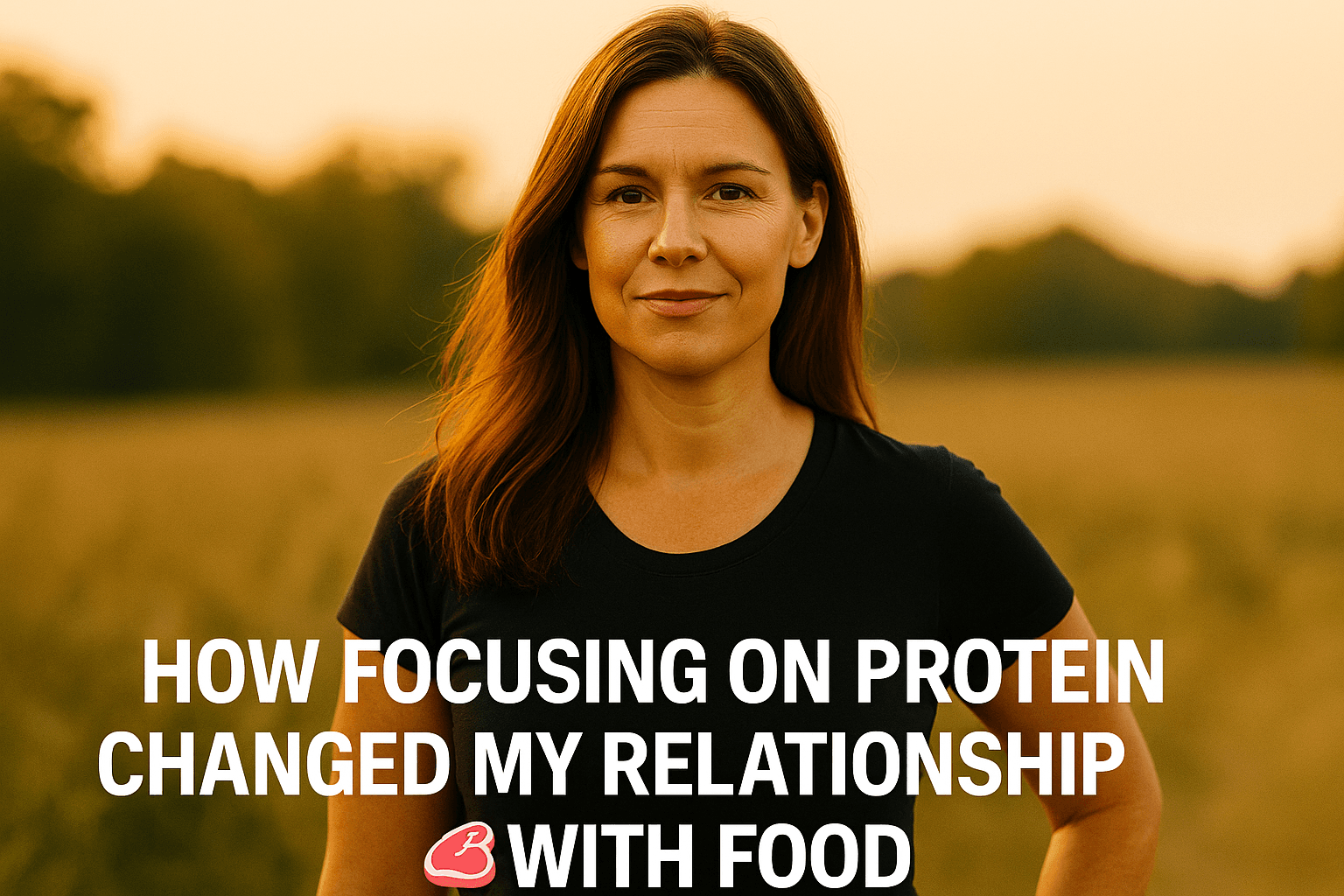
After years of dieting cycles, I found that centering meals around protein reduced my food noise and helped me stay consistent. This post shares one experience and the broader context, not a universal prescription.
What people commonly report
People trying keto, low-carb, or carnivore-style plans often report:
- fewer cravings when protein intake is higher
- better satiety from simpler meals
- less decision fatigue when food choices are limited
- body-composition changes that are not always reflected on the scale
Others report the opposite, including low energy, constipation, social stress, or trouble sustaining very restrictive plans. Individual response varies.
Why this might happen (basic explanation)
Protein can increase fullness signals and may support lean mass during weight-loss efforts. A simplified meal pattern can also reduce impulsive snacking for some people.
Possible contributors:
- satiety effect: protein often helps people feel full for longer
- routine effect: repeating simple meals can lower decision fatigue
- carb sensitivity differences: some individuals feel better with lower carbs, while others do better with moderate carbs
None of this proves one diet is best for everyone.
What research suggests (high-level)
Nutrition research generally supports adequate protein intake for satiety and muscle maintenance, especially during calorie reduction. However, evidence is mixed on whether highly restrictive diets are superior long term for all populations.
Key points from broader evidence trends:
- adherence is often the strongest predictor of outcomes
- nutrient adequacy matters more than diet labels alone
- long-term sustainability and cardiometabolic markers should be monitored
A dietary pattern that works in the short term may still need adjustments for micronutrients, fiber, and social sustainability.
What this does NOT mean
- It does not mean everyone should adopt a carnivore-style diet.
- It does not mean carbohydrates are inherently harmful for all people.
- It does not mean the scale is irrelevant; it is one data point among others.
- It does not mean anecdotal success equals medical guidance.
For some people, a balanced protein-forward plan that still includes vegetables, fruit, legumes, or whole grains may be more sustainable.
When to seek medical advice
Talk with a clinician or registered dietitian before major restriction, especially if you:
- have diabetes, kidney disease, liver disease, gout, or cardiovascular disease
- are pregnant, breastfeeding, or trying to conceive
- have a history of eating disorders or binge-restrict cycles
- take medications that can be affected by rapid dietary changes
Seek earlier review if symptoms such as dizziness, persistent constipation, severe fatigue, palpitations, or mood decline appear.
Final thoughts
A protein-first structure helped me reduce cravings and regain consistency, but it is one approach among many. The safer takeaway is to personalize your plan, monitor how you feel, and adjust with qualified guidance instead of chasing rigid diet identities.
References for general understanding
- National Institutes of Health (NIH)
- Mayo Clinic
- Academy of Nutrition and Dietetics
- National Health Service (NHS)
Related topics
Keep exploring after From Keto to Protein-First Eating: What Helped Me Stabilize Cravings
Bloating
Based on 10,000+ signals, bloating is described as abdominal fullness and distension. Key data identifies fermentation of FODMAPs, gut sensitivity, and slow transit as primary drivers, while movement and ACV show high success.
Acidity
A practical overview of acidity patterns people report, what tends to help, and where to be cautious. Informational only; not medical advice.
Constipation
A practical view of constipation patterns, common triggers, and helpful habits. Informational only; not medical advice.
PCOS (Polycystic Ovary Syndrome)
PCOS is a common hormone-related condition most often linked to irregular ovulation, higher androgen activity (acne, excess hair growth, scalp hair thinning), and metabolic features like insulin resistance. It exists on a spectrum: some people are overweight, others are not, and symptoms can vary widely.
Male infertility
Community discussions around male fertility focus on sperm quality (count, motility, morphology), semen concerns, varicocele, and hormone/sexual-function questions. The most repeated self-actions include reducing heat exposure, lifestyle changes over 2–3 months, and targeted nutrients.
Pregnancy
Pregnancy questions in real discussions cluster around diet safety (especially keto/low-carb/fasting), nausea, gestational diabetes, blood pressure concerns, thyroid changes, gallbladder/gallstones, swelling, constipation, and supplement safety. People want practical rules: what’s normal, what’s risky, and when to see a doctor.
Banana
Informational notes on Banana with cautious guidance and limits.
Curd (Yogurt)
Informational notes on Curd (Yogurt) with cautious guidance and limits.
Oats
Informational notes on Oats with cautious guidance and limits.
Iron
Informational notes on Iron with cautious guidance and limits.
Share on WhatsApp
2–3 line summary is copied. Tap to open WhatsApp and share.
 Tip: You can edit the text after it opens in WhatsApp.
Editorial Note
This article is prepared by the HealthUnspoken Editorial Team. Our articles may combine first-person submissions, public health education references, and commonly discussed experiences, then are edited for clarity and context.
The goal is reader awareness and education. This content is not a diagnosis or a treatment plan.
⚕️ Medical Disclaimer
The information provided in this article is for **educational and informational purposes only**. It should not be considered medical advice, diagnosis, or treatment. Always seek the advice of your physician or other qualified healthcare provider regarding any medical condition or treatment decisions.
🧾 Sources
HealthUnspoken articles may include first-person stories, editorial summaries of broadly discussed experiences, and public health education references. They are reviewed by the editorial team for clarity and educational context.