
Dandruff or Dry Scalp? The Small Clue That Changed the Whole Routine
- Authors

- Name
- Author: HealthUnspoken Editorial Team
- Published on
- Last updated:
- Country
- Country
- 🌍Country: Global
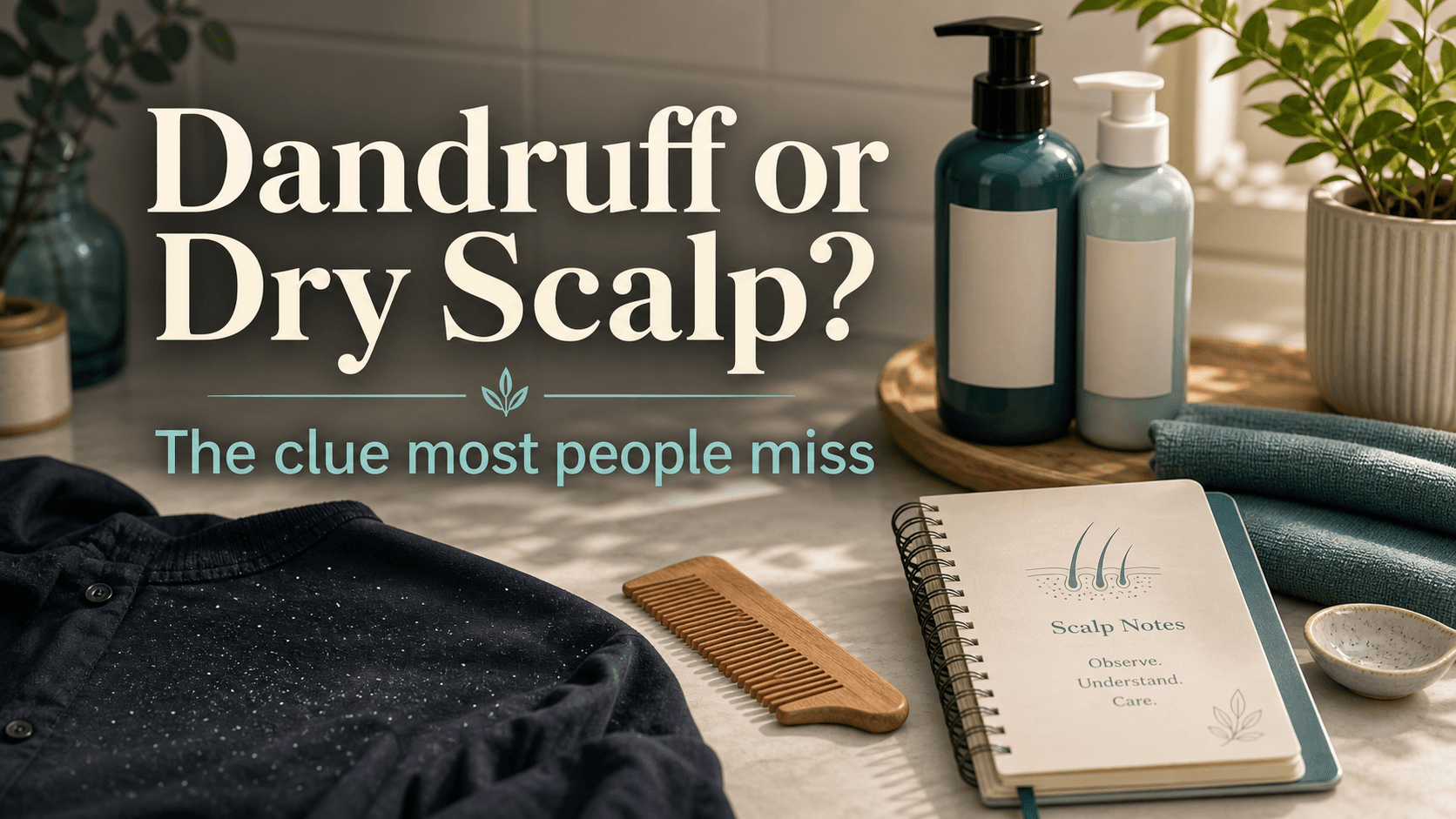
I used to think every white flake meant dandruff. If I saw flakes on a dark shirt, I reached for stronger shampoo. If the itching came back, I washed more often. If the scalp felt tight, I assumed I had not cleaned it well enough. The routine kept getting harsher, but the problem did not become clearer.
That is where many people get stuck. Flakes are visible, embarrassing, and easy to panic over. But the same mirror can show very different problems: a dry scalp, oily dandruff, seborrheic dermatitis, product irritation, psoriasis, eczema, or even sores from scratching.
This article is not a diagnosis. It is a practical story about the clue that matters before buying another bottle: are you dealing with dryness, oiliness, inflammation, or a product reaction?
In This Article
- Expectation vs Reality
- The Clue I Was Missing
- What People Kept Trying
- Four Small Wins That Made the Routine Calmer
- When Scalp Care Needs Medical Help
- Questions This Story Often Raises
- References
Expectation vs Reality
What I expected
I expected flakes to have one answer:
- buy anti-dandruff shampoo
- use it more often
- scrub harder
- wait for a clean scalp
That sounded logical. Dandruff shampoo is made for dandruff. So if flakes continued, I assumed the shampoo was weak or I was not using enough.
What actually happened
The mistake was treating every flake as the same problem.
Some flakes were small and dry, showing up when the scalp felt tight. Some were greasier and came with itching. Some appeared after a new shampoo or styling product. Some got worse when I washed too often. Some improved only when a medicated shampoo sat on the scalp long enough to work.
The useful question changed from what kills dandruff fastest? to:
What kind of scalp problem is this?
That one question made the routine less random.
The Clue I Was Missing
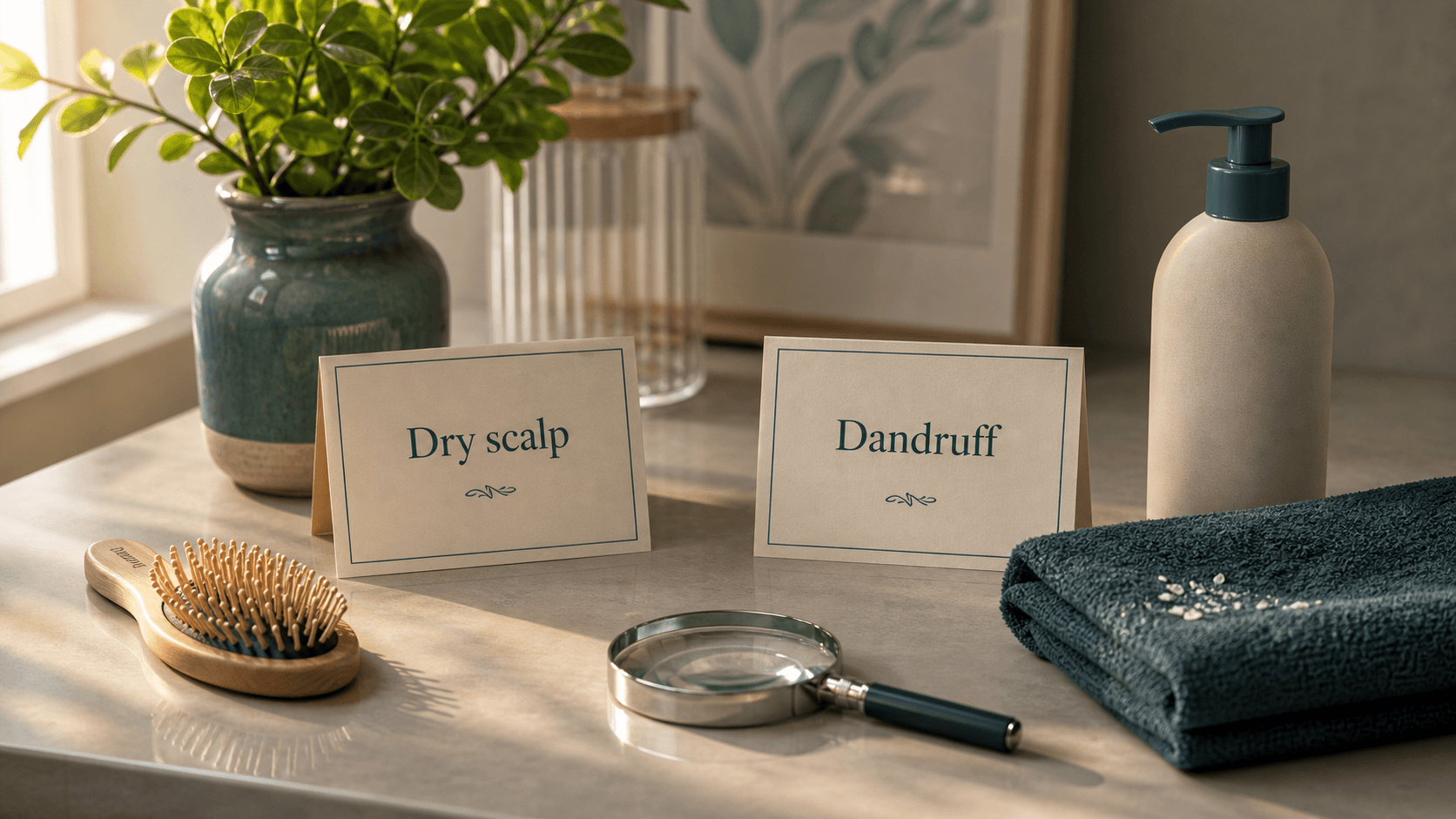
Dry scalp and dandruff can both leave flakes on your clothes. That is why people mix them up.
But the pattern can feel different.
Dry scalp often feels tight, rough, or irritated. The flakes may look smaller and drier. Harsh shampoo, cold weather, hot water, frequent washing, and drying products can make it feel worse.
Dandruff is often linked with an oilier scalp and may overlap with seborrheic dermatitis. Mayo Clinic describes dandruff as flaking skin on the scalp and notes that it can involve itching. Cleveland Clinic explains that dandruff is commonly connected to oil, yeast that lives on skin, and scalp sensitivity.
That does not mean you can diagnose yourself from one clue. It means the first step is observation, not panic.
The questions that helped were simple:
- Does my scalp feel tight and dry, or oily and itchy?
- Are the flakes loose and powdery, or sticky and greasy?
- Did this start after a new shampoo, oil, dye, gel, or treatment?
- Does medicated shampoo help only briefly, or make the scalp feel worse?
- Are there red patches, thick scales, pain, sores, bleeding, or hair loss?
That last line matters. Once pain, scabs, drainage, or hair loss enters the picture, the problem is not just cosmetic anymore.
What People Kept Trying
The repeated pattern was not laziness. It was overcorrection.
People often tried too many fixes at once: anti-dandruff shampoo, oils, apple cider vinegar, ketoconazole, selenium sulfide, zinc products, salicylic acid, tea tree shampoo, diet changes, washing more often, washing less often, and switching brands repeatedly.
The problem with changing everything at once is that you learn almost nothing.
If the scalp improves, which change helped? If it burns, which product caused it? If flakes come back after three days, is that recurrence, dryness, oil buildup, or irritation?
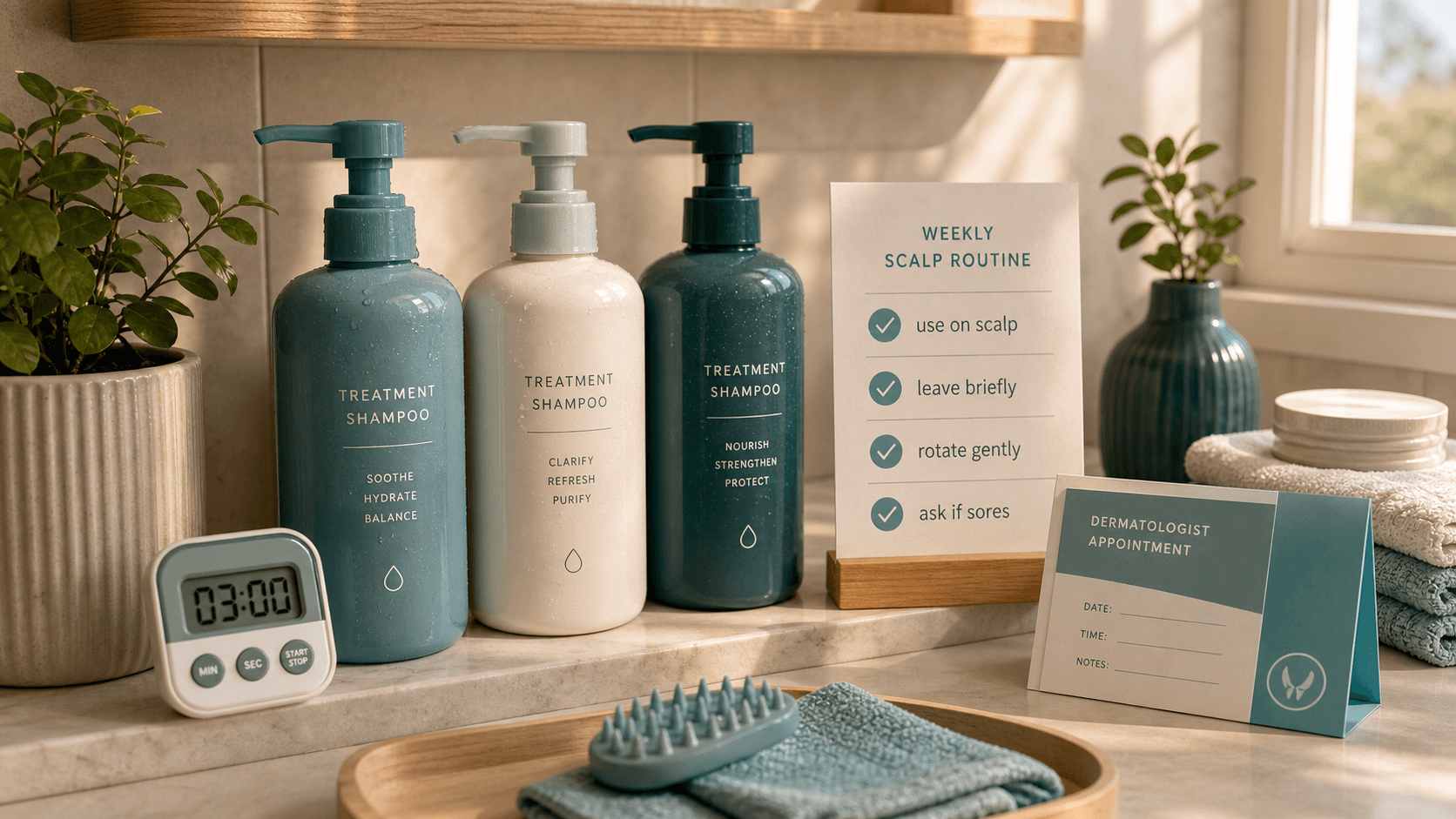
One useful pattern was clear: medicated shampoos worked better for some people when they were used as actual scalp treatments, not rushed like ordinary shampoo. Mayo Clinic notes that dandruff shampoos may need to be used according to the label and that different active ingredients are used for different situations.
Another pattern was more uncomfortable: oils were not universally helpful.
For a truly dry scalp, a gentler routine or moisturizing approach may calm irritation. But for people whose flakes behave more like oily dandruff or seborrheic dermatitis, heavy oils sometimes made the scalp feel greasier, itchier, or harder to clean. Coconut oil, olive oil, and heavy leave-on products came up often as things that helped one person and worsened another.
That is why scalp care needs patience. The same product can be soothing for one scalp and noisy for another.
Four Small Wins That Made the Routine Calmer
1) I stopped scrubbing like flakes were dirt
Flakes can make you feel unclean, but aggressive scrubbing often creates a second problem: irritation.
The better shift was gentler contact. Massage the scalp with fingertips, not nails. Avoid turning every wash into a punishment. If scratching has already created sore spots, treat that as a warning sign.
2) I separated dry-scalp care from dandruff care
This was the biggest mindset change.
If the scalp felt tight and stripped, I looked first at harsh shampoo, hot water, overwashing, and drying products. If the scalp felt oily, itchy, and flaky again quickly, I treated dandruff or seborrheic dermatitis as more likely and paid closer attention to medicated shampoo guidance.
That distinction prevented the common cycle: dry scalp gets harsher dandruff shampoo, then feels even drier, then flakes more, then the person uses even more harsh shampoo.
3) I gave one change enough time to be judged
Switching products every few days made the routine emotionally satisfying but practically useless.
A calmer test looked like this:
- keep the basic wash schedule steady
- change one product at a time
- follow label directions for medicated shampoo
- keep conditioner away from the scalp if it seems to worsen oiliness
- stop anything that causes burning, rash, or obvious irritation
- write down what changed before deciding it failed
This did not make scalp care exciting. It made it readable.
4) I treated hair fall fear separately
Flakes and hair shedding together can feel frightening. People often assume dandruff is destroying their hair, then start adding stronger products, oils, supplements, and hair-growth remedies.
Sometimes scalp inflammation, scratching, psoriasis, seborrheic dermatitis, tight hairstyles, stress, thyroid issues, iron deficiency, postpartum changes, or hormonal conditions can overlap with hair shedding. That is too many possibilities for guessing.
If hair thinning is visible, persistent, patchy, or paired with scalp pain, it deserves a proper check. HealthUnspoken already covers related hair-pattern concerns in the white hair guide and PCOS-related hair thinning questions in the PCOS guide, but dandruff-like flakes need their own scalp-focused review when they do not settle.
When Scalp Care Needs Medical Help
Home care has limits.
AAD guidance for seborrheic dermatitis notes that treatment can include medicated shampoos and, in some cases, prescription medicines. That is important because stubborn flakes are not always simple dandruff.
Consider seeing a dermatologist or qualified clinician if:
- flakes keep returning despite correct shampoo use
- the scalp is red, swollen, painful, or bleeding
- there are sores, crusting, drainage, or bad tenderness
- thick plaques suggest psoriasis
- flakes spread to eyebrows, beard, ears, chest, or around the nose
- hair loss is visible or patchy
- a baby has severe cradle-cap-like scaling
- a product causes burning, rash, or swelling
Also be careful with strong home remedies. Bleach mixtures, undiluted essential oils, aggressive acid rinses, and repeated harsh scrubbing can injure skin. A scalp problem that feels embarrassing is still skin. It deserves the same caution as any other irritated area.
Questions This Story Often Raises
Is dandruff the same as dry scalp?
Not always. Both can create flakes, but dry scalp usually points more toward dryness or irritation, while dandruff often involves scalp oiliness, yeast activity, and sensitivity. They can look similar enough that guessing is easy.
Can anti-dandruff shampoo make dry scalp worse?
It can for some people, especially if the real issue is dryness, overwashing, or product irritation. That does not mean medicated shampoos are bad. It means they should match the problem and be used as directed.
Which shampoo ingredient is best for dandruff?
There is no single best ingredient for everyone. Dandruff shampoos may use ingredients such as zinc pyrithione, selenium sulfide, ketoconazole, salicylic acid, or tar-based options. The right choice depends on scalp pattern, sensitivity, severity, and medical guidance.
Should I oil my scalp if I have flakes?
Maybe, but not automatically. A dry, stripped scalp may feel better with gentler moisturizing care. An oily, itchy, seborrheic-dermatitis-type scalp may worsen with heavy oils. Test cautiously and stop if itching, greasiness, acne, or irritation increases.
Can diet cure dandruff?
Some people notice food or stress patterns, but dandruff should not be reduced to one diet rule. Clinical sources focus more on scalp condition, oiliness, yeast, irritation, and medicated treatment when needed. Diet changes should not replace medical care for painful, persistent, or spreading symptoms.
Closing Reflection
The most useful scalp-care lesson was not a miracle shampoo. It was humility.
Flakes are a signal, not a full explanation. Sometimes they point toward dryness. Sometimes toward dandruff. Sometimes toward seborrheic dermatitis, psoriasis, eczema, product irritation, or a problem that needs a dermatologist.
Once I stopped treating every flake as proof of poor hygiene, the routine became calmer. I could observe. I could change one thing at a time. I could stop punishing my scalp. And when the signs were bigger than ordinary flakes, I knew not to keep guessing alone.
Related Reading
- I Brushed Every Day. Why Were My Teeth Still Yellow?
- White Hair: What People Ask, What Evidence Actually Supports
- PCOS: Symptoms, Hair Changes, and What People Try
References
- Mayo Clinic: Dandruff - Symptoms and causes
- Mayo Clinic: Dandruff - Diagnosis and treatment
- Cleveland Clinic: Dandruff
- American Academy of Dermatology: Seborrheic dermatitis treatment
Disclaimer: This article is for educational purposes only and is not a diagnosis or medical advice. If you have painful scalp symptoms, bleeding, sores, spreading rash, or hair loss, please consult a qualified healthcare professional.
Related Reading
Continue reading after Dandruff or Dry Scalp? The Small Clue That Changed the Whole Routine
I Brushed Every Day. Why Were My Teeth Still Yellow?
A human-centered dental story about yellow teeth, brushing frustration, stains, enamel color, whitening expectations, and the safer way to decide what actually helps.

Can Anxiety Cause Chest Tightness? What People Describe and When to Seek Help
A human-centered guide to anxiety chest tightness, panic, health anxiety, and the safety line between familiar anxiety symptoms and chest pain that needs urgent care.

Motherhood Across the Whole Journey: What Real Lives Looked Like Behind the Milestones
A curated long-form motherhood journey built from real experiences across planning, childbirth, postpartum shock, and the invisible years after.
Share on WhatsApp
2–3 line summary is copied. Tap to open WhatsApp and share.
 Tip: You can edit the text after it opens in WhatsApp.
Editorial Note
This article is prepared by the HealthUnspoken Editorial Team. Our articles may combine first-person submissions, public health education references, and commonly discussed experiences, then are edited for clarity and context.
The goal is reader awareness and education. This content is not a diagnosis or a treatment plan.
⚕️ Medical Disclaimer
The information provided in this article is for **educational and informational purposes only**. It should not be considered medical advice, diagnosis, or treatment. Always seek the advice of your physician or other qualified healthcare provider regarding any medical condition or treatment decisions.
🧾 Sources
HealthUnspoken articles may include first-person stories, editorial summaries of broadly discussed experiences, and public health education references. They are reviewed by the editorial team for clarity and educational context.
Reader Experiences Shared
Curated anonymized snippets from public health discussions, edited for readability.
I kept treating every flake like dandruff. Once I noticed my scalp felt tight and stripped, I changed the routine instead of just buying stronger shampoo.
Medicated shampoo helped me only when I stopped rushing it. Using it carefully on the scalp made more difference than switching brands every week.
Heavy oils softened the flakes at first, but my scalp got itchier later. That was the clue that my problem was not simple dryness.
The hardest part was embarrassment. I wore dark shirts less often and kept checking my shoulders until I finally asked a dermatologist what was actually happening.
I learned to stop changing everything at once. One shampoo change, one wash schedule, and a few notes gave me more answers than panic-buying products.
When flakes came with soreness and scabs, I stopped treating it like a cosmetic issue. Getting checked made the plan much clearer.