
Motherhood Across the Whole Journey: What Real Lives Looked Like Behind the Milestones

- Authors

- Name
- Author: HealthUnspoken Editorial Team
- Published on
- Last updated:
- Country
- Country
- 🌍Country: Global
Most motherhood stories begin after the baby arrives. The photos start there. The congratulations start there. Even the advice starts there. But for many women, the emotional story begins much earlier, and it does not move in neat chapters. It begins in private conversations about timing. It moves through fear, body changes, hospital rooms, and nights that blur together. Then it keeps going, quietly, long after people assume things have "settled."
This page is a curated journey built from lived experiences shared across different stages: before pregnancy decisions, different childbirth paths, postpartum shock, and the ongoing invisible work of raising children while trying not to disappear as a person.
Before Childbirth: Expectations vs Reality
Before childbirth, many couples imagine the moment they become parents. Fewer imagine the years leading up to that moment.
Expectation often sounded like this: we love each other, we want a child, we will figure it out. Reality arrived with harder questions: Are we stable enough? Are we emotionally ready? Are we healthy enough? Are we ready for what this changes in us, not just around us?
One shared experience came from a couple who wanted children deeply but discovered that desire alone could not overcome health history, age, fertility strain, and lifestyle damage that had built up over years. The grief was real. So was the lesson: longing can be intense, but readiness is built, not wished into existence.
For younger couples, expectation often came with urgency. They felt time pressure, family pressure, or social pressure. They also felt hopeful and strong. What they did not expect was how quickly parenting stress could magnify unresolved issues that already existed: fragile finances, communication breakdowns, emotional reactivity, and uncertainty about work.
Another repeated contrast: people expected parenthood to be mostly a question of love. What they experienced instead was a long list of practical conditions that shape family life every day: reliable income, housing stability, support networks, conflict management, and the ability to stay steady when both partners are sleep deprived.
No one described this as a reason to fear parenthood. They described it as a reason to respect it. Waiting was not framed as weakness. It was framed as preparation.
Childbirth Experience: Different Paths, Same Threshold
When labor began, every plan became more flexible than expected.
One mother described a long, raw vaginal birth: hours of escalating contractions, a narrow window for pain options, breath-by-breath endurance, and then a sudden shift from severe pain to immediate relief the moment the baby arrived. She remembered the intensity clearly, but she also remembered how quickly her body started reclaiming itself afterward.
Years later, with her second child, the path changed. Labor stalled, the baby did not descend as expected, and signs of risk appeared. The team moved quickly to an emergency C-section. The birth itself felt controlled and almost distant compared with active labor, but recovery told a different story: abdominal weakness, limited movement, slow functional return, and a body that felt unfamiliar for much longer than she expected.
What stood out across both experiences was not a "better" method. It was the emotional adjustment to unpredictability. Women who had firm preferences often had to pivot quickly. Women who feared one outcome sometimes lived through it and found strength they did not expect. Women who had hoped for a smooth process often said the physical events were only part of it; the bigger challenge was making peace with how little control anyone has in the moment.
The storytelling around childbirth usually gets reduced to labels. The lived versions were more complex: two births can happen in the same body and feel like entirely different worlds.
Early Days After Birth: The Shock Phase
For many, the first weeks after birth did not feel like a gentle beginning. They felt like impact.
Exhaustion was the loudest theme. Not "tired" in the casual sense. A level of depletion that altered thought patterns, emotional regulation, and memory. Some mothers described nights spent in survival mode: feeding, soothing, monitoring, repeating, while healing from stitches or surgery and trying to understand a baby whose rhythms changed by the hour.
Emotional swings were rarely dramatic in language, but intense in experience. Fear, guilt, love, irritability, gratitude, grief, protectiveness, and numbness could all appear in a single day. Several women said the hardest part was not feeling one difficult emotion; it was feeling too many at once and then blaming themselves for not looking "happy enough."
Confusion also appeared again and again. First-time mothers questioned everything: Is this normal? Am I doing this wrong? Why does everyone else seem to handle this better? Why am I crying over small things and then feeling empty an hour later?
Physical recovery made this harder. C-section recovery, in particular, was described as a mismatch between external expectations and internal reality. The incision might look healed while movement, core strength, and energy still lagged far behind. Even mothers who were emotionally strong found that daily basics, getting out of bed, lifting carefully, sitting and standing repeatedly, could feel like hidden labor.
Some women said the most frightening part of postpartum was not pain. It was the moment they no longer trusted their own mental stability under prolonged sleep loss and stress.
Ongoing Motherhood Reality
After the first months, outsiders often assumed the hardest stage had passed. Mothers described a different truth: difficulty changed shape, but it did not vanish.
The mental load became constant background work. Tracking appointments, supplies, school details, food preferences, health patterns, routines, social dynamics, emotional climate at home, and family calendar friction. Much of this labor remained invisible because it happened in planning, not in obvious physical tasks.
Identity loss surfaced quietly. Women did not usually say, "I lost myself" as a dramatic statement. They described subtle signs: being addressed only by role, not by name; struggling to remember what they enjoyed before children; feeling efficient all day but disconnected at night.
Routine became both anchor and trap. Repetition kept the household functioning, but repetition also made days feel interchangeable. For mothers with multiple children or high-need children, routine required logistics comparable to shift work, with no clean handoff.
Invisible work was a recurring phrase in different forms: emotional buffering between family members, anticipating needs before they become crises, absorbing household stress so others can keep moving, and staying alert while appearing calm.
None of this canceled the love women felt for their children. That coexistence mattered. Love and fatigue were not opposites in these stories. They often sat side by side.
Experience Blocks
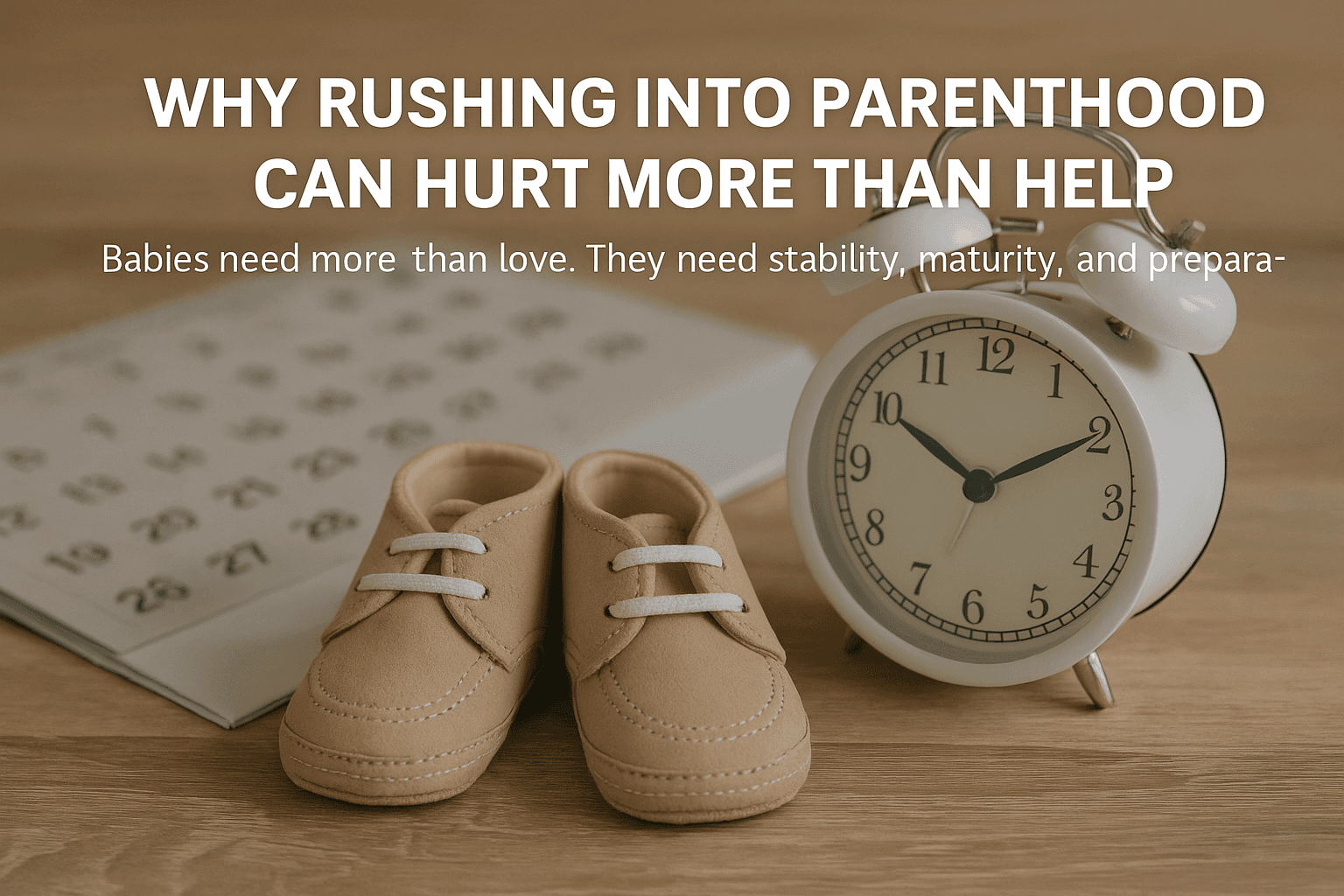
1) The Couple Who Thought Timing Was a Detail
"We thought timing was a detail we could adjust later. We were in love, working hard, and everyone around us said we’d manage somehow. Then health reports, bills, and emotional stress started showing up together. We were still arguing like two young people learning adulthood, and suddenly we were trying to discuss a child’s future in the same breath. Nothing exploded in one day. It was slower than that. We realized we wanted a baby, but we had not built a life sturdy enough to hold one yet. Waiting felt like loss at first. Later it felt like responsibility."

2) The Mother With Two Birth Stories in One Body
"My first labor was long and physical and wild. I remember pain in waves, then relief so sudden I could hardly believe it. Years later, my second birth became an emergency surgery. People said, ‘At least the operation was quick.’ They were not wrong, but the recovery rewrote everything. I couldn’t move without thinking. I learned that birth is not one event; it’s the beginning of a recovery you cannot predict. I stopped comparing my two births like wins and losses. They were both thresholds. Both asked something different from me."
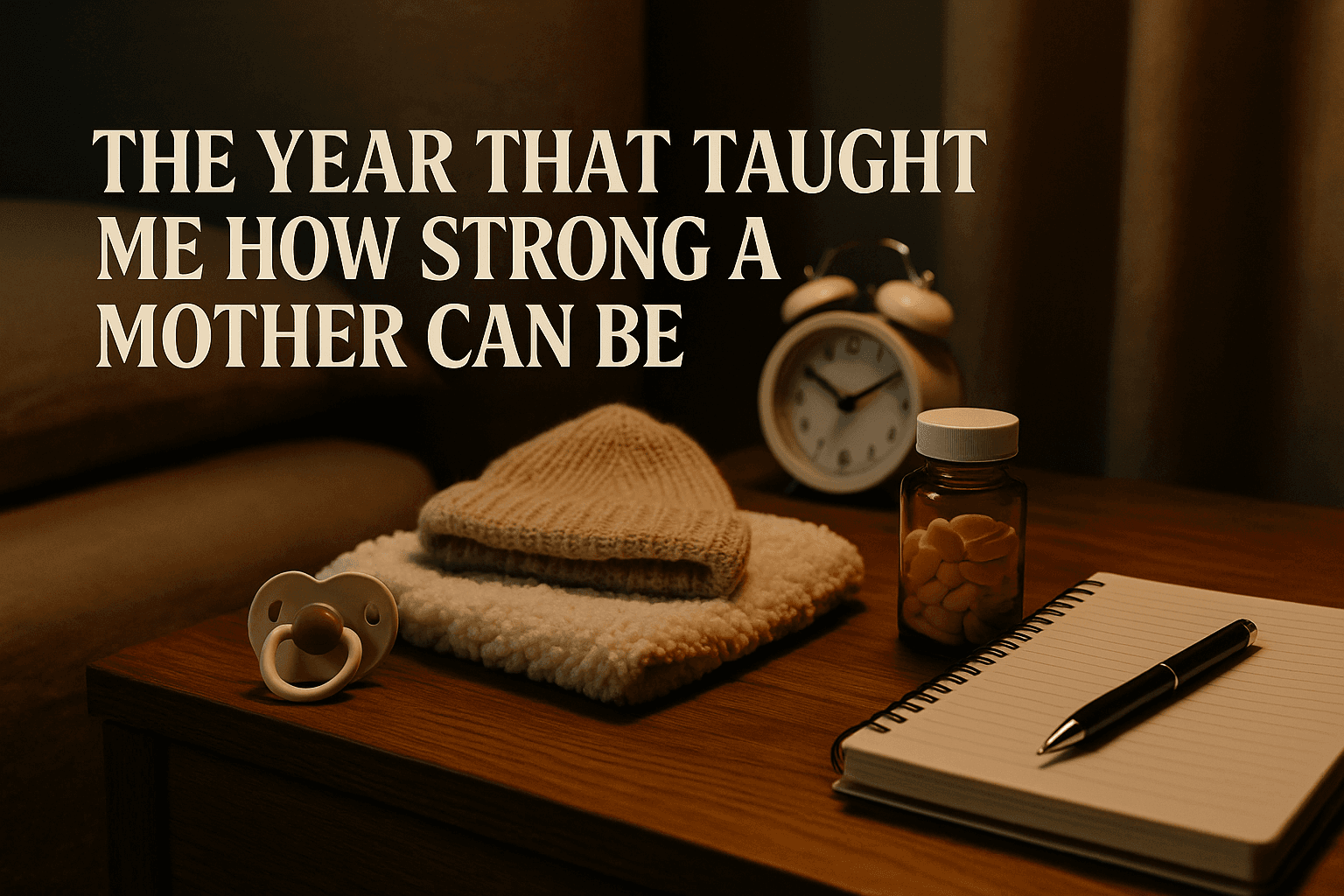
3) The Night She Thought She Was Failing
"In those first weeks, I measured time by feeds and crying, not by clock. I slept in fragments, if at all. I was healing, aching, and trying to keep everyone else okay. One night I broke down and said words I never thought I would say because I genuinely believed my baby deserved someone stronger than me. Later I understood how exhaustion and postpartum depression had distorted everything. The turning point was not a dramatic transformation. It was deciding to tell the truth out loud and let support in, even when I felt ashamed that I needed it."
4) The Mother Who Forgot Her Own Name for a While
"People think the hard part is diapers and sleeplessness. For me, the harder part came later. Every day was planning, carrying, soothing, scheduling, anticipating. I became excellent at making the household run. I also became harder to locate inside my own life. Everyone needed something from me, and I was proud to show up. But I missed being called by my name. I missed doing one thing that had nothing to do with logistics. I did not stop loving motherhood. I started needing language for the invisible part of it."
What Felt Common
A few patterns kept showing up, even across very different families.
The first was mismatch: the public image of motherhood looked cleaner than daily life actually felt. The second was simultaneity: opposite emotions often arrived together, gratitude with resentment, joy with panic, attachment with exhaustion. The third was invisibility: much of the heaviest work happened mentally and emotionally, which made it easy for others to underestimate.
Another common thread was silence. Many women delayed asking for help, not because help was always unavailable, but because they believed needing help meant they were not strong enough for motherhood. That belief cost them time, sleep, and sometimes safety.
What People Slowly Realized
Over time, realizations came in small, unglamorous ways.
Readiness is not a perfect state you finally "achieve." It is a moving foundation you keep strengthening.
Childbirth plans matter, but flexibility matters just as much.
Recovery does not follow social timelines.
Functioning and coping are not the same thing.
Love for a child does not automatically protect a mother from depletion.
Identity does not always disappear in motherhood, but it can become faint without deliberate space.
Support is most useful when it is practical, consistent, and free of judgment.
These were not framed as universal truths. They were recurring reflections from women trying to make sense of what happened to them while still living it.
When It Felt Too Much
Some mothers sought support when sleep loss became disorienting. Some reached out when anxiety felt constant, when intrusive fear started shaping daily choices, or when emotional swings made ordinary tasks feel impossible.
Support looked different across stories: a trusted family member taking over for a few hours, honest conversations with a partner, speaking with a clinician, mental health care, community check-ins, or simply having one person who listened without minimizing.
No one described this as a clean rescue arc. It was usually uneven. But many described the same first step: naming what they were feeling instead of hiding it.
If you are in that place now, there is no failure in needing support. Many women in these stories found that asking for help was not the end of strength. It was the beginning of a safer version of it.
Closing
Motherhood, in these lived accounts, was not a single transformation. It was a long negotiation between love, fatigue, body memory, responsibility, grief, and growth.
Some women entered it prepared and were still shaken. Some entered unprepared and grew into fierce, steady parents through difficult years. Some carried joy and sorrow in the same hour and kept moving without applause.
What remains, after the milestones and photos, is this: mothers kept showing up. In pain. In doubt. In tenderness. In routine. In small acts no one documents.
That is not a polished story. It is a human one.
Questions This Story Often Raises
How early can pregnancy worries become real?
For many people, the worry starts before anything is visible from the outside: a late period, a faint test line, nausea that might be pregnancy or might be stress, or cramps that feel just different enough to create fear. Early symptoms can overlap with normal cycle changes, so the practical step is usually a properly timed pregnancy test and follow-up if bleeding, one-sided pain, dizziness, or severe symptoms appear. We keep the fuller clinical guide here: pregnancy issues and warning signs.
Which pregnancy symptoms should not be brushed aside?
The stories made one thing clear: people often wait because they do not want to "overreact." But some symptoms deserve faster care, especially heavy bleeding, severe headache, vision changes, chest pain, shortness of breath, fainting, severe belly pain, one-sided pelvic pain, or sudden swelling. Those are not questions to solve by comparing stories online. They are reasons to call a clinician, maternity unit, or emergency service.
Why do due dates feel so certain when they are only estimates?
A due date gives families something to plan around, but it is still an estimate. Many women in these stories carried an exact date in their heads and then felt thrown when birth moved earlier, later, or into a different delivery plan. The date is useful. It is not a promise.
Are prenatal vitamins enough by themselves?
Prenatal vitamins can be important, especially for nutrients such as folic acid, iron, iodine, and vitamin D depending on the person and product. But they do not replace food, sleep, medical checks, or individualized advice. If someone is vomiting often, feeling unusually weak, craving ice, or already has a known deficiency, it is worth asking for proper testing instead of guessing with extra supplements.
When does postpartum stress need outside help?
Not every hard day is postpartum depression, but not every hard day should be normalized either. If sadness, fear, intrusive thoughts, rage, panic, numbness, or unsafe exhaustion keeps returning, outside support matters. The most repeated lesson in the stories was not that mothers should be stronger. It was that they needed permission to be honest earlier.
References
- CDC: Symptoms of Depression Among Women
- CDC: Pregnant & Postpartum Activity: An Overview
- CDC: Timing of Postpartum Depressive Symptoms
- NICHD: What is a C-section?
- MedlinePlus: Pregnancy Test
- CDC: Urgent Maternal Warning Signs
- MedlinePlus: Pregnancy
Disclaimer: This page is a curated educational narrative based on shared lived experiences from multiple motherhood-related stories published on HealthUnspoken. It is intended for awareness and reflection only, not for diagnosis, treatment, or individual medical decisions. If postpartum depression, intrusive thoughts, severe anxiety, unsafe exhaustion, wound concerns, heavy bleeding, or other recovery problems are present, seek timely medical or mental health support.
Related Reading
Continue reading after Motherhood Across the Whole Journey: What Real Lives Looked Like Behind the Milestones
Two Hip Replacements, Twenty Years Apart and the Quiet Miracle of Living Without Pain
I lived through two hip replacements separated by twenty years. What changed was not only medicine but how pain, preparation, therapy and resilience reshaped my life.
GERD, Reflux, and the Fear Loop: What Took Me Years to Understand
A long-form lived-experience pillar on chronic reflux, nighttime pain, anticipatory anxiety, daily tradeoffs, and what helped create stability over time.

The Scariest Thing About Choking Is That No One Hears It
A quiet childhood choking moment became a lasting lesson about silent choking, bystander awareness, safer eating habits, and when emergency care matters.
Share on WhatsApp
2–3 line summary is copied. Tap to open WhatsApp and share.
 Tip: You can edit the text after it opens in WhatsApp.
Editorial Note
This article is prepared by the HealthUnspoken Editorial Team. Our articles may combine first-person submissions, public health education references, and commonly discussed experiences, then are edited for clarity and context.
The goal is reader awareness and education. This content is not a diagnosis or a treatment plan.
⚕️ Medical Disclaimer
The information provided in this article is for **educational and informational purposes only**. It should not be considered medical advice, diagnosis, or treatment. Always seek the advice of your physician or other qualified healthcare provider regarding any medical condition or treatment decisions.
🧾 Sources
HealthUnspoken articles may include first-person stories, editorial summaries of broadly discussed experiences, and public health education references. They are reviewed by the editorial team for clarity and educational context.
Reader Experiences Shared
Curated anonymized snippets from public health discussions, edited for readability.
I thought becoming a parent would feel joyful right away, but the first weeks were mostly survival mode. Sleep loss changed how I handled everything.
My first delivery and second delivery were completely different experiences. I had to grieve the plan I imagined and focus on recovery one day at a time.
Postpartum felt heavier than I expected. I loved my baby, but I also felt emotionally flooded and ashamed to say I was struggling.
The most helpful appointments were the ones where the doctor explained options calmly and answered questions without rushing us.
After birth, everyone asked about the baby, but almost no one asked how I was doing mentally. That silence made recovery harder.
Things improved when support became practical: help with meals, short rest windows, and people who listened without judging.