
Two Hip Replacements, Twenty Years Apart and the Quiet Miracle of Living Without Pain

- Authors

- Name
- Author: HealthUnspoken Editorial Team
- Published on
- Last updated:
- Country
- Country
- 🌍Country: USA
I had my first hip replaced at 50, already relying on a cane and quietly planning my days around pain. Twenty years later, I had the other hip replaced - not in agony this time, but with a limp that reminded me how slowly joint pain can shrink a life before you admit what is happening.
When Pain Starts Making Decisions
The first surgery did not feel like a bold decision.
Pain had already made the decision for me.
Every step hurt. Every outing required calculation. I thought about parking distance, stairs, chairs, weather, errands, and how much energy I would have left after pretending I was fine. My world had become smaller, but it happened so gradually that I did not fully notice the loss until I looked back.
That is one of the quiet tricks of chronic joint pain. It rarely takes everything in one dramatic moment. It asks for little compromises:
- skip the long walk
- avoid the store with bad parking
- stop visiting places with stairs
- sit down before anyone notices the limp
- tell people you are just tired
By the time I had my first hip replaced, I was not chasing perfection. I wanted ordinary movement back. I wanted to cross a room without bracing myself.
Expectation vs Reality
Before surgery, I imagined the operation as the hardest part.
Reality was different.
I do not remember either operation itself. Both were done with spinal anesthesia and sedation. What I remember is the before and after: the waiting, the trust, the first attempt to move, the therapy, the small fears, and the slow return of confidence.
The first replacement felt like entering a different medical era. The hospital stay was longer. The incision was larger. Recovery felt heavier, and I needed more time to believe my body would become mine again.
The second replacement, twenty years later, felt calmer and more coordinated. Imaging was clearer. The explanations were better. The stay was shorter. Pain control felt more thoughtful. Every person introduced themselves, explained their role, and treated me like a participant instead of a case.
The surgery was still serious. But the experience around it felt more human.
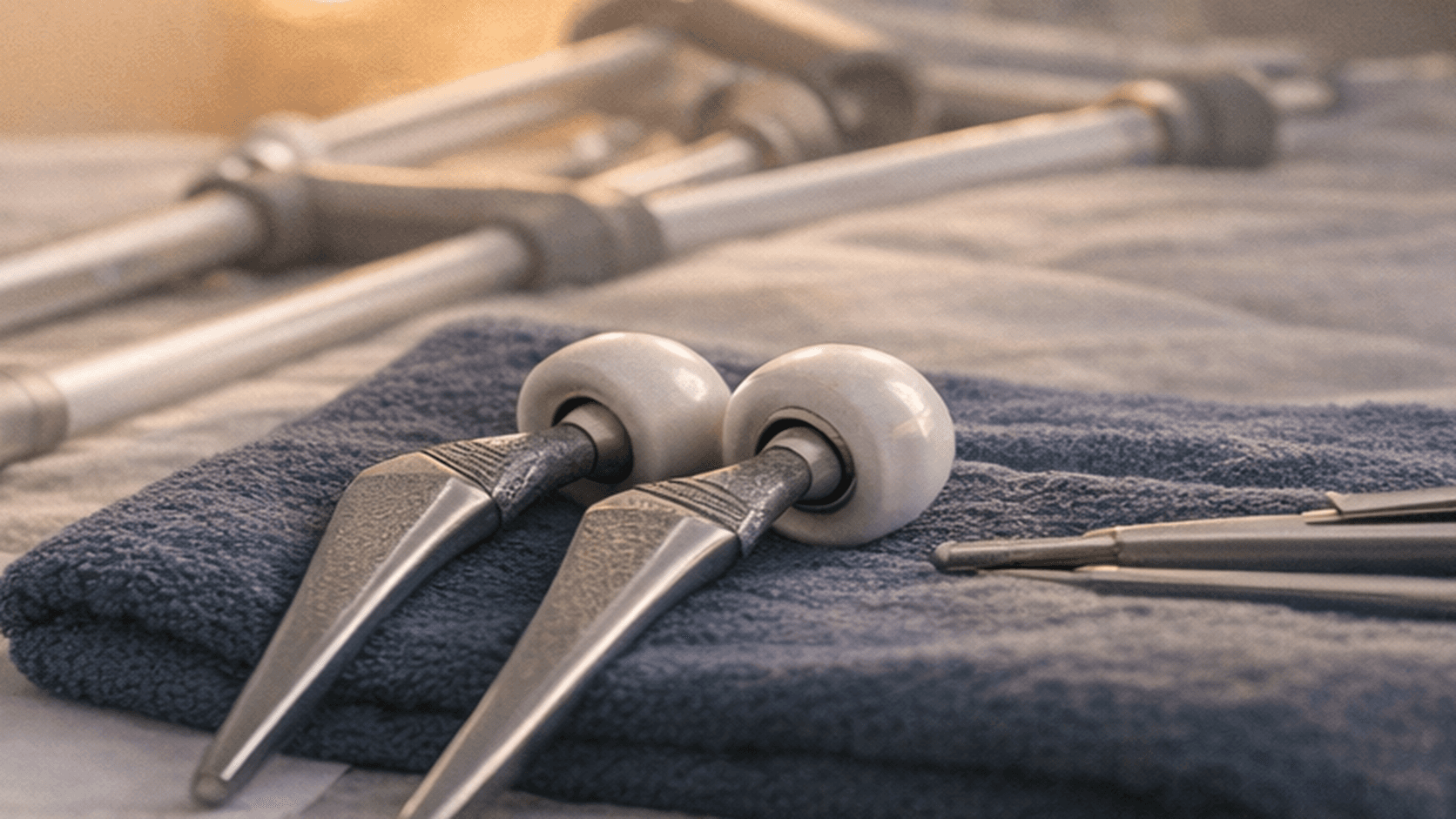
Two Operating Rooms, Two Lessons
The first hip replacement taught me that pain relief can be worth a difficult recovery.
The second taught me that preparation changes how recovery feels.
I was older the second time, but I was not as frightened. I knew that the first few days would be awkward. I knew therapy would matter. I knew swelling, stiffness, sleep disruption, and frustration would not mean failure. I knew progress would be measured in small distances before it became freedom.
That knowledge helped.
It did not remove discomfort. It removed some of the panic around discomfort.
Preparation Changed More Than I Expected
Before both surgeries, I was given exercises to do at home.
I took them seriously.
More seriously than required.
Physical therapists can tell when someone prepares. They noticed immediately, both times. The work did not erase pain, and it did not make recovery effortless. But it gave my body a better starting point.
Pre-surgery preparation also changed my mind. It gave me something active to do while waiting. That matters because the waiting period before joint replacement can feel helpless. You are in pain, you know surgery is coming, and every day becomes a mix of hope and dread.
Doing the exercises gave me a small sense of control.
It reminded me that surgery was not something being done to me while I stayed passive. It was something I was preparing with.
What Recovery Actually Felt Like
Most people assume walking or physical therapy is the hardest part.
For me, the hardest moment was getting into bed at night.
Those few seconds of lifting my leg were intense. I dreaded bedtime for weeks. Once I was settled, I was fine, but the transition tested me every evening. It was humbling how one ordinary movement could become the most difficult part of the day.
There were other small battles too:
- accepting help without feeling helpless
- using a walker without resenting it
- sleeping on my back when I wanted to turn
- timing medication responsibly
- managing swelling without obsessing over it
- trusting the new joint before it felt natural
After about a month, the bed transition pain faded. Sleep improved. My mood followed.
Sometimes recovery turns on very small permissions: sleeping on your side again, walking outside again, showering with less fear, using the cane less, or realizing you forgot about the hip for an hour.
Faster Recovery the Second Time
The contrast between the two recoveries surprised me.
The first time, I relied on a walker for weeks. Stairs felt out of reach for a long while. Progress came slowly but steadily.
The second time, I was walking outdoors within days - cautiously, supported, but moving. I let go of the walker more quickly. I trusted the process, and the therapists trusted me back.
That does not mean the second surgery was easy or that everyone should expect the same timeline. Recovery depends on age, health, surgical approach, strength, home support, complications, pain control, and how carefully the care team wants someone to progress.
But I did learn this: confidence matters when it is paired with instructions.
I listened carefully. I followed restrictions. I asked questions when something felt unclear. And yes, when the therapist gave me a number of repetitions, I often did one more - not because I wanted to prove anything, but because steady effort had become part of how I trusted myself again.
The Home Setup Mattered More Than I Expected
Recovery did not happen only in therapy.
It happened in the bathroom, the bedroom, the kitchen, the hallway, and the chair where I spent most of the day.
Small setup choices reduced stress:
- keeping essentials at waist height
- using assistive tools instead of bending
- making the walking path clear
- having a stable chair
- respecting bathroom safety
- placing medication, water, phone, and instructions within reach
- asking for help before fatigue turned into risk
Mayo Clinic notes that home recovery planning after hip replacement often includes arranging help, placing everyday items where they are easy to reach, and considering tools like a raised toilet seat or shower chair. That kind of advice may sound ordinary, but in recovery, ordinary details are the system.

Living With the Outcome
Both repairs are tight.
Some movements are no longer possible, or at least no longer wise. I use assistive tools for certain everyday tasks, and I do not resent them.
Pain-free movement is a fair trade.
That sentence may sound simple, but anyone who has lived with long-term pain understands its weight. When pain has been making decisions for years, relief does not feel like a luxury. It feels like getting part of your personality back.
I move differently now. More carefully. More respectfully. But I also move with less fear.
The precautions have become second nature. They do not feel like punishment anymore. They feel like habits that guard the life I regained.
What I Learned From Other Joint Pain Stories
Across chronic pain and joint-replacement stories, the emotional patterns repeat.
People wait because they are afraid of surgery. People wait because they are told they are too young. People wait because they are caring for someone else. People wait because they can still function, even if functioning costs them more each month.
Then one day they realize they are not only managing pain. They are managing a smaller life.
That does not mean surgery is always the answer. Hip replacement is major surgery with real risks, and each person needs individualized medical advice. Non-surgical treatment may be appropriate for a long time for some people.
But it does mean pain deserves honest measurement.
Not only "How bad is the pain from one to ten?"
Also:
- How far can I walk?
- How is sleep?
- What have I stopped doing?
- Am I avoiding people or places?
- Do I need a cane or walker more often?
- Is pain affecting mood, confidence, or independence?
That broader view connects with other chronic pain stories on this site, especially when pain is not believed and a long search for back pain relief.
When to Call the Surgeon or Seek Urgent Care
Hip replacement recovery should be guided by the surgical team. Always follow your own discharge instructions, because precautions can vary by procedure, implant, approach, and personal risk.
Contact your surgeon or care team promptly for possible infection signs such as:
- fever or chills
- increasing redness, warmth, tenderness, or swelling around the wound
- drainage from the incision
- worsening pain with both activity and rest
- a wound that suddenly looks worse instead of better
Also seek medical advice quickly for possible blood clot signs, including:
- calf or leg pain unrelated to the incision
- tenderness or redness in the calf
- new or increasing swelling in the thigh, calf, ankle, or foot
Seek urgent or emergency care for sudden shortness of breath, chest pain, chest pain with coughing, fainting, confusion, severe uncontrolled pain, sudden inability to move the leg, suspected dislocation, major bleeding, or any symptom your surgeon told you to treat as urgent.
This is not meant to frighten anyone. It is meant to separate normal recovery discomfort from signs that deserve fast attention.
Gratitude That Still Lingers
The same surgeon performed both operations.
Even now, seeing him brings emotion I did not expect. Not because surgery is sentimental, but because of what those operations restored.
Mobility.
Independence.
Dignity.
Twice.
I no longer think of my hip replacements as only surgeries. I think of them as turning points.
They did not just remove pain. They returned possibility. And that is something endurance alone could never give me.
If pain is already asking serious questions, listen carefully. Not with fear, and not with pressure to choose surgery before you are ready, but with honesty about what pain is taking from your life.
References
- Mayo Clinic: Hip replacement
- AAOS OrthoInfo: Activities After Total Hip Replacement
- AAOS OrthoInfo: Total Hip Replacement
Disclaimer: This article is educational and experience-based, not medical advice. Hip replacement decisions, surgical timing, recovery restrictions, medication use, physical therapy, infection prevention, and warning signs should be discussed with your orthopedic surgeon or qualified healthcare professional. If you have urgent symptoms after surgery, seek emergency care.
Related Reading
Continue reading after Two Hip Replacements, Twenty Years Apart and the Quiet Miracle of Living Without Pain
I Didnt Heal Until I Finally Had Time to Heal
A de-identified personal story about chronic pain, constant work urgency, burnout, nervous-system exhaustion, and the slower kind of recovery that only started once rest became real instead of theoretical.

Living With a Dry Mouth, Burning Pain, and No Easy Answers
A lived experience of chronic dry mouth, burning pain, medication side effects, dental damage, broken sleep, and the slow search for safer support.

I Kept Pushing Through the Pain… Until It Took Everything From Me
A personal journey through years of untreated back pain, difficult decisions, and the emotional reality of living with sciatica and surgery aftermath.
Share on WhatsApp
2–3 line summary is copied. Tap to open WhatsApp and share.
 Tip: You can edit the text after it opens in WhatsApp.
Editorial Note
This article is prepared by the HealthUnspoken Editorial Team. Our articles may combine first-person submissions, public health education references, and commonly discussed experiences, then are edited for clarity and context.
The goal is reader awareness and education. This content is not a diagnosis or a treatment plan.
⚕️ Medical Disclaimer
The information provided in this article is for **educational and informational purposes only**. It should not be considered medical advice, diagnosis, or treatment. Always seek the advice of your physician or other qualified healthcare provider regarding any medical condition or treatment decisions.
🧾 Sources
HealthUnspoken articles may include first-person stories, editorial summaries of broadly discussed experiences, and public health education references. They are reviewed by the editorial team for clarity and educational context.
Reader Experiences Shared
Curated anonymized snippets from public health discussions, edited for readability.
I kept thinking two hip replacements would settle on its own, but what helped most was tracking patterns and asking clearer questions in appointments.
The hardest part for me was uncertainty around two hip replacements. Once I stopped changing everything at once, I could finally see what was helping.
I used to delay care because I was embarrassed about two hip replacements. Earlier conversations would have saved me a lot of stress.
A second opinion around two hip replacements changed my decisions completely. The issue was still real, but the plan felt calmer and more practical.
For me, progress with two hip replacements came from boring consistency, not one dramatic fix. That mindset reduced panic a lot.
I learned to separate fear from facts with two hip replacements. Writing down symptoms before visits made discussions more useful.