Surviving Cancer Didn’t End My Fear — It Changed It
- Authors

- Name
- Author: HealthUnspoken Editorial Team
- Published on
- Last updated:
- Country
- Country
- 🌍Country: India
I’m writing this because I need to get it out of my head. Cancer treatment ended, scans kept coming back clear, and everyone wanted me to feel free. But survival did not erase fear. It only taught my fear a new language.
When Survival Becomes the New Normal
A little over two years ago, my life split into a clear before and after.
I was diagnosed with a serious illness that required major surgery and aggressive treatment. Most of an internal organ was removed. Recovery was long. Treatment was harder than I expected, and at one point my body simply could not tolerate it anymore.
And yet, I surprised myself.
During treatment, I handled things better than I imagined I could. I stayed focused. I stayed grateful. I kept telling myself that being alive was enough.
Looking back now, I do not fully understand how I did it.
Maybe the crisis gave me a job: survive today, get through the next appointment, tolerate the next side effect, make it to the next result.
The harder part came later, when the crisis slowed down and everyone expected normal life to restart.
Expectation vs Reality
I thought the end of treatment would feel like a door opening.
Reality was different.
The scans were clear. The doctors were pleased. My body was healing. On paper, the story was moving in the right direction.
But my mind had not received the memo.
Instead of relaxing, I started living around surveillance. Regular scans became both reassurance and threat. Every appointment promised relief, but every appointment also reminded me what we were checking for.
That is the strange emotional math of survivorship: good news can still arrive through a frightening door.
Living Between Scans
After treatment ended, a new routine began.
Regular scans. Blood tests. Follow-ups. Waiting rooms. Results.
Each clear result confirmed the truth I wanted most:
The cancer had not returned. I was still clear.
For a while, relief came quickly. Then it got shorter. A clear result would calm me for a few days, maybe a few weeks. After that, my mind started looking toward the next test.
I was not fully panicked, but I was not fully living either.
I was living between appointments.

When Fear Finds a New Target
As my final frequent scan approached — the one that would allow longer gaps between tests — I expected to feel excited.
Instead, my mind chose a new enemy.
I became almost convinced I had another serious illness.
Not because a doctor told me. Not because tests showed something wrong. But because I noticed sensations in my body and remembered warning signs I had read once.
Two vague symptoms became a case file in my head.
Every ache needed interpretation. Every tired day felt suspicious. Every unfamiliar sensation became evidence.
I was not listening to my body anymore.
I was interrogating it.
The Loop: Stress, Fatigue, Fear
The more I thought about illness, the more exhausted I became.
The more exhausted I became, the more convinced I was that something was wrong.
It became a closed loop:
- stress created fatigue
- fatigue created fear
- fear created more scanning
- scanning created more stress
This is the part that is hard to explain to people who have not lived it. The fear does not feel abstract. It feels physical. Your chest tightens. Your stomach drops. Your energy disappears. Then the body sensations become new reasons to worry.
I had survived cancer, but my nervous system was still acting like danger could return at any moment.
When Good News Still Felt Like Too Much
Recently, I visited my doctor for something unrelated.
Unexpectedly, she shared results from a blood test.
The results were excellent. Completely normal.
And I snapped.
Not because the news was bad, but because I did not want to know yet. I had been protecting myself by choosing when information entered my mind. I needed to be ready before looking at numbers.
Instead of relief, I felt anger. Panic. Overwhelm.
That moment showed me something important: this was no longer only about test results. It was about control, timing, trauma, and the way my mind tried to keep me safe.
What Felt Common Across Other Health Anxiety Stories
When I later read other health-anxiety experiences, the same patterns kept showing up:
- people searched symptoms even after being told not to
- normal sensations became difficult to trust
- reassurance helped briefly, then wore off
- waiting for results felt worse than the appointment itself
- one stressful season could turn into body-checking for months
These patterns do not mean symptoms should be ignored. They mean fear can become part of the symptom experience. The body may be safe while the mind is still bracing.
This overlap reminded me of broader mind-body symptom loops, where real sensations and fear can keep amplifying each other.
What Slowly Helped
Meditation helped, but not in a magical way.
It did not erase anxiety. It gave me small pauses inside it. A few breaths before searching online. A few minutes before asking for reassurance. A little space between sensation and conclusion.
Other things helped too:
- I stopped reading symptom pages when I was already anxious.
- I wrote down symptoms with dates instead of checking them all day.
- I asked doctors clearer questions at appointments.
- I let trusted people know when result timing felt overwhelming.
- I reminded myself that a clear scan deserves to count, even if fear returns later.
- I treated anxiety support as part of survivorship, not as a personal weakness.
That last point mattered most. Surviving treatment does not mean you should be emotionally finished with what happened.
What Backfired
Two habits made everything worse.
The first was compulsive searching. I would start with one symptom and end up reading about the worst possible diagnosis. The search felt responsible in the moment, but it usually left me more frightened and less clear.
The second was repeated body-checking. I thought checking would reassure me. Instead, it trained my mind to keep scanning.
I had to learn the difference between useful monitoring and fear-driven interrogation.
That line is not always obvious. It helped to ask: "Will this action give my doctor better information, or is it only trying to neutralize panic for the next ten minutes?"
When to Seek Support or Medical Care
Please seek medical advice for new, persistent, or worsening symptoms, especially if your oncology team has given specific red flags to watch for. Survivorship follow-up exists for a reason.
Also consider mental health support if fear is:
- making you repeatedly search symptoms for reassurance
- interfering with sleep, work, relationships, or appetite
- making you avoid appointments or results
- causing panic before scans or follow-ups
- making normal body sensations feel unbearable
- keeping you from enjoying clear results
Urgent care is appropriate for emergency symptoms such as severe breathing difficulty, chest pain, fainting, confusion, uncontrolled bleeding, severe pain, or any symptom your care team has told you to treat as urgent.
Anxiety and medical caution can coexist. Getting support for fear does not mean you are ignoring your body. It means you are trying to hear it more clearly.
Holding Onto Hope Carefully
I have another scan coming up soon.
If it is clear, life may finally slow down a little. Fewer tests. Longer gaps. More breathing room.
I hope that when that moment comes, I can gently put this fear down. Not by forcing it away, and not by pretending cancer was a small thing, but by reminding myself that I already survived something unimaginable.
I want to live again with happiness, self-love, trust in my body, and space for joy.
Not perfectly. Not fearlessly.
Just more freely than before.

Closing Reflection
Having cancer was awful.
But catastrophising about cancer long after being declared clear stole a different part of my life. It turned gratitude into vigilance. It made happiness feel fragile. It made me afraid of ordinary sensations.
To anyone else living like this: I see you.
You are not ungrateful because you are scared after survival. You are not weak because clear results do not instantly calm your nervous system. You went through something real, and sometimes the mind keeps protecting long after the immediate danger has passed.
Healing, for me, now means learning to respect my history without letting fear become my whole future.
References
- NCI: Cancer Survivorship
- NCI: Coping With Fear of Cancer Recurrence
- NCI: Adjustment to Cancer: Anxiety and Distress (PDQ)
- CDC: Common Feelings After Cancer Treatment
Disclaimer: This article is for educational purposes only and is not medical advice. Cancer follow-up, symptom monitoring, and mental health support should be discussed with qualified clinicians who know your history. If you have urgent symptoms, seek emergency care.
Related Reading
Continue reading after Surviving Cancer Didn’t End My Fear — It Changed It
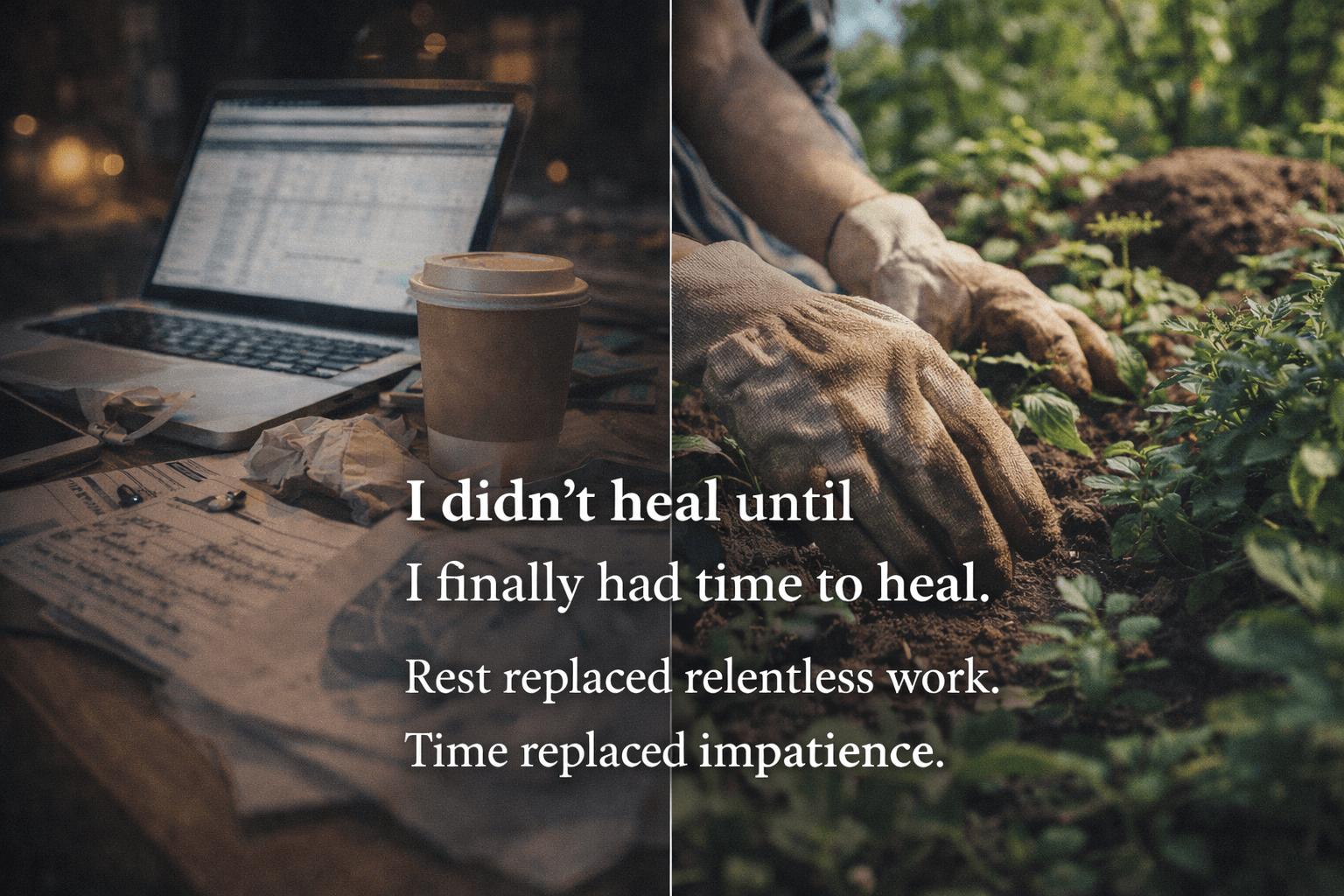
I Didnt Heal Until I Finally Had Time to Heal
A de-identified personal story about chronic pain, constant work urgency, burnout, nervous-system exhaustion, and the slower kind of recovery that only started once rest became real instead of theoretical.
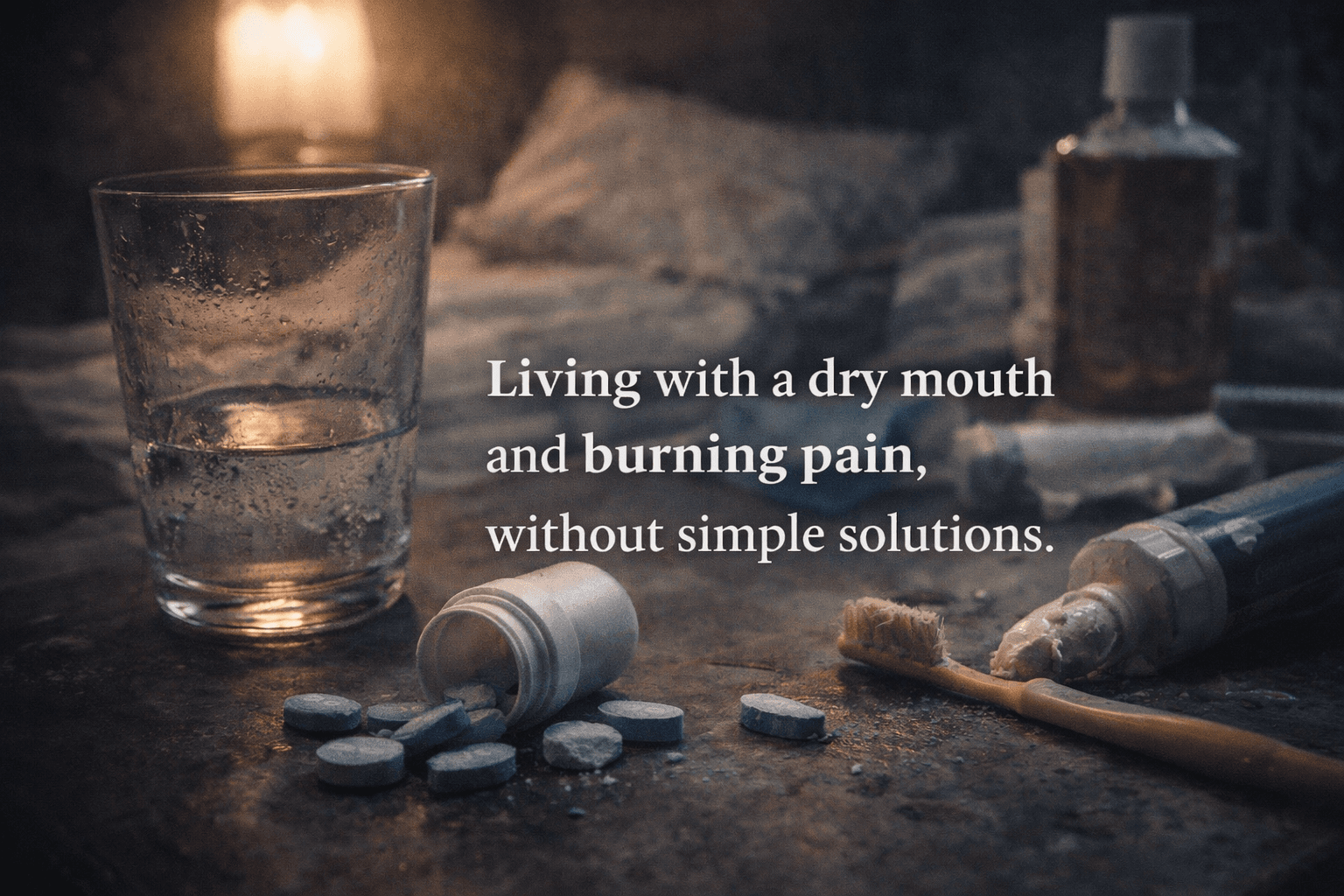
Living With a Dry Mouth, Burning Pain, and No Easy Answers
A lived experience of chronic dry mouth, burning pain, medication side effects, dental damage, broken sleep, and the slow search for safer support.
I Kept Pushing Through the Pain… Until It Took Everything From Me
A personal journey through years of untreated back pain, difficult decisions, and the emotional reality of living with sciatica and surgery aftermath.
Share on WhatsApp
2–3 line summary is copied. Tap to open WhatsApp and share.
 Tip: You can edit the text after it opens in WhatsApp.
Editorial Note
This article is prepared by the HealthUnspoken Editorial Team. Our articles may combine first-person submissions, public health education references, and commonly discussed experiences, then are edited for clarity and context.
The goal is reader awareness and education. This content is not a diagnosis or a treatment plan.
⚕️ Medical Disclaimer
The information provided in this article is for **educational and informational purposes only**. It should not be considered medical advice, diagnosis, or treatment. Always seek the advice of your physician or other qualified healthcare provider regarding any medical condition or treatment decisions.
🧾 Sources
HealthUnspoken articles may include first-person stories, editorial summaries of broadly discussed experiences, and public health education references. They are reviewed by the editorial team for clarity and educational context.
Reader Experiences Shared
Curated anonymized snippets from public health discussions, edited for readability.
I kept thinking surviving cancer end would settle on its own, but what helped most was tracking patterns and asking clearer questions in appointments.
The hardest part for me was uncertainty around surviving cancer end. Once I stopped changing everything at once, I could finally see what was helping.
I used to delay care because I was embarrassed about surviving cancer end. Earlier conversations would have saved me a lot of stress.
A second opinion around surviving cancer end changed my decisions completely. The issue was still real, but the plan felt calmer and more practical.
For me, progress with surviving cancer end came from boring consistency, not one dramatic fix. That mindset reduced panic a lot.
I learned to separate fear from facts with surviving cancer end. Writing down symptoms before visits made discussions more useful.