
Why Obsessing Over Body Fat Percentage Might Be Holding You Back
- Authors

- Name
- Author: HealthUnspoken Editorial Team
- Published on
- Last updated:
- Country
- Country
- 🌍Country: Global
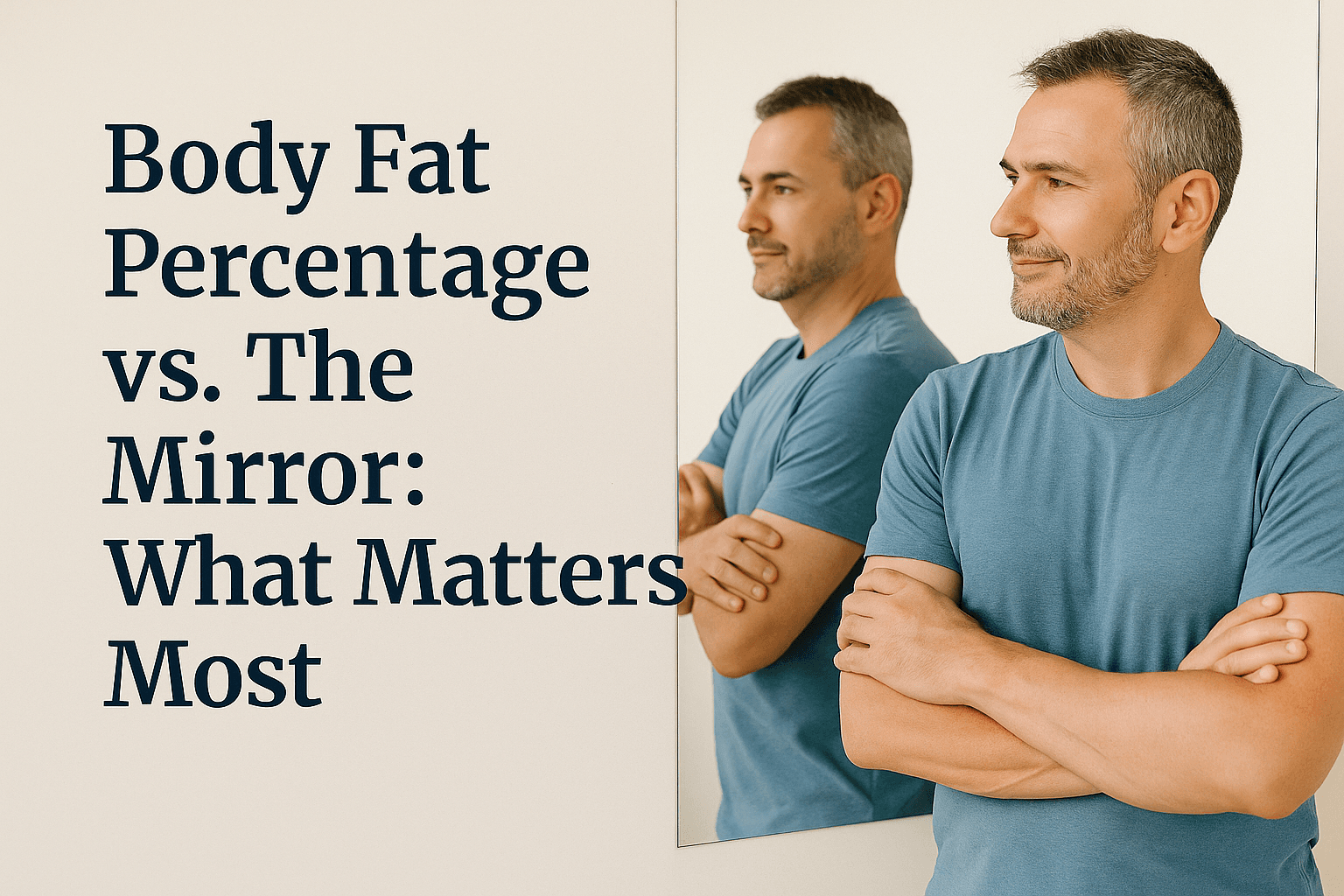
Body fat percentage sounds like the honest number everyone is looking for. It feels more precise than weight, more scientific than the mirror, and more personal than BMI. But when people start chasing exact body fat numbers, the number can become more distracting than useful.
In fitness spaces, the questions repeat constantly:
- "Am I 12% or 15%?"
- "Why does my smart scale jump overnight?"
- "Can I trust this scan?"
- "Do I look lean enough?"
- "Why does my body not match the chart?"
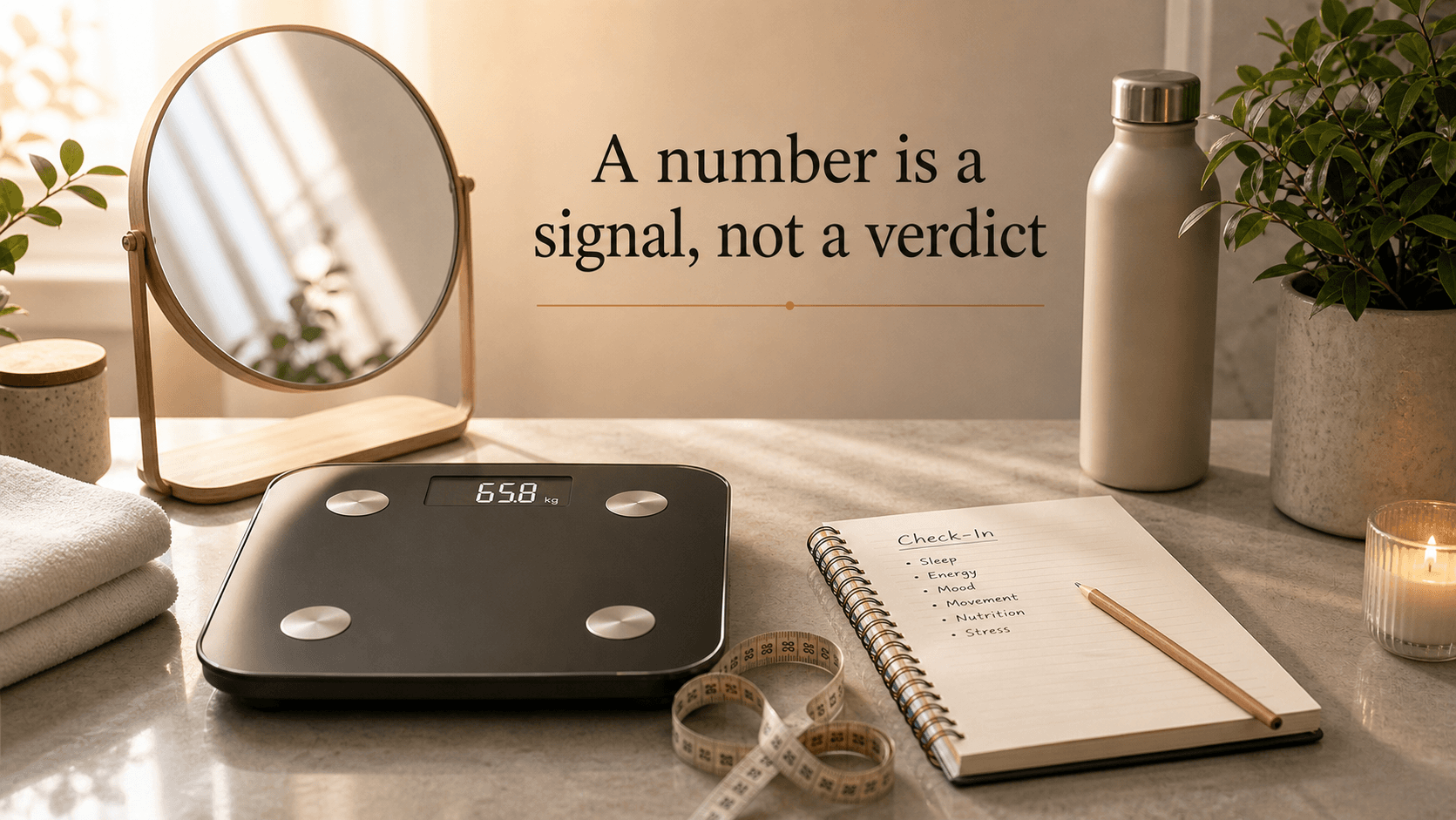
The problem is not measurement itself. Measurements can be useful. The problem begins when a number becomes a verdict on health, discipline, attractiveness, or personal worth.
Body composition is more complicated than that.
Why Body Fat Numbers Feel So Powerful
Weight can be frustrating because it includes everything: water, food in the gut, muscle, fat, bone, and normal day-to-day fluctuation. BMI is even rougher because it only compares weight with height.
So body fat percentage feels like the better answer.
It seems to say:
- how much of your body is fat
- how much is lean mass
- whether your training is working
- whether weight changes are "good" or "bad"
That can be useful in some settings. Athletes, clinicians, researchers, dietitians, and some fitness coaches may use body composition data as one part of a bigger picture.
But for everyday people trying to become healthier, body fat percentage often creates a trap:
the more exact the number looks, the easier it is to overtrust it.
Home smart scales, gym machines, skinfold calipers, photos, tape measurements, and scans can all vary. Hydration, recent meals, exercise, menstrual cycle changes, device type, technician skill, and measurement timing can all affect the result.
If your plan changes dramatically because one device moved by one or two percentage points, the measurement is probably controlling you more than helping you.
What People Are Really Asking
People were rarely asking only, "What number am I?" Under that question, they were often asking:
- "Am I healthy?"
- "Is my effort working?"
- "Why does my body not look like someone else's?"
- "Can I trust my scale?"
- "Should I focus on fat loss, muscle, or both?"
- "How do I know if this is sustainable?"
Another pattern was the pull of extreme advice. Some people credited strict fasting, low-carb plans, intense training, or dramatic food rules for rapid changes. Others pushed back, saying that muscle, sleep, posture, aging, and long-term habits mattered more than a single scale change.
The useful takeaway was this:
Most people need better feedback, not more judgment.
That feedback should help them make tomorrow's choices, not punish them for today's body.
BMI Is a Screening Tool, Not a Personal Verdict
BMI can be useful at a population level and as a first screening signal. It is simple, inexpensive, and easy to calculate. But it does not directly measure body fat, muscle mass, waist size, fitness, bone density, fat distribution, medications, pregnancy, ethnicity-related risk patterns, or medical history.
That is why BMI can mislead in both directions.
A muscular person can have a high BMI without having the same risk profile as someone with the same BMI and much less muscle. A person with a "normal" BMI can still have low muscle, central fat, metabolic risk factors, or poor fitness. Older adults can lose muscle while the scale looks stable.
The safer way to use BMI is as a prompt:
- If BMI is very high, ask whether blood pressure, blood sugar, cholesterol, sleep apnea risk, joint pain, waist size, and daily function need review.
- If BMI is very low, ask whether nutrition, menstrual changes, fatigue, bone health, illness, medication effects, or eating distress need review.
- If BMI is in the middle, do not assume everything is fine; look at habits, strength, labs, waist trend, and symptoms.
BMI should start a conversation. It should not end one.
The Mirror Can Help, But It Can Also Harm
The original version of this article leaned heavily on the mirror. I would write that differently now.
Yes, visual feedback can be useful. Clothes fitting differently, posture changing, a waistline trend, or visible muscle from training can all show progress that the scale misses.
But the mirror is not neutral for everyone.
For some people, mirror checks become body checking. One glance becomes ten. Lighting, angle, hydration, salt intake, stress, menstrual cycle changes, and mood can all change how a person sees the same body. A bad mental-health day can make the mirror feel more like an accusation than information.
So use visual feedback carefully.
Helpful mirror use looks like:
- occasional progress photos under similar lighting, if that does not trigger distress
- noticing clothing fit without turning it into punishment
- looking for posture, strength, and comfort, not only leanness
- pairing visual changes with non-visual markers
Unhelpful mirror use looks like:
- repeated checking throughout the day
- comparing yourself to edited or staged bodies online
- changing food or exercise plans based on one bad reflection
- feeling unable to leave the house because of how your body looks
If visual checking makes anxiety, restriction, bingeing, purging, or compulsive exercise worse, the mirror is not the right tool for that moment. Support matters more than another measurement.
A More Useful Tracking System
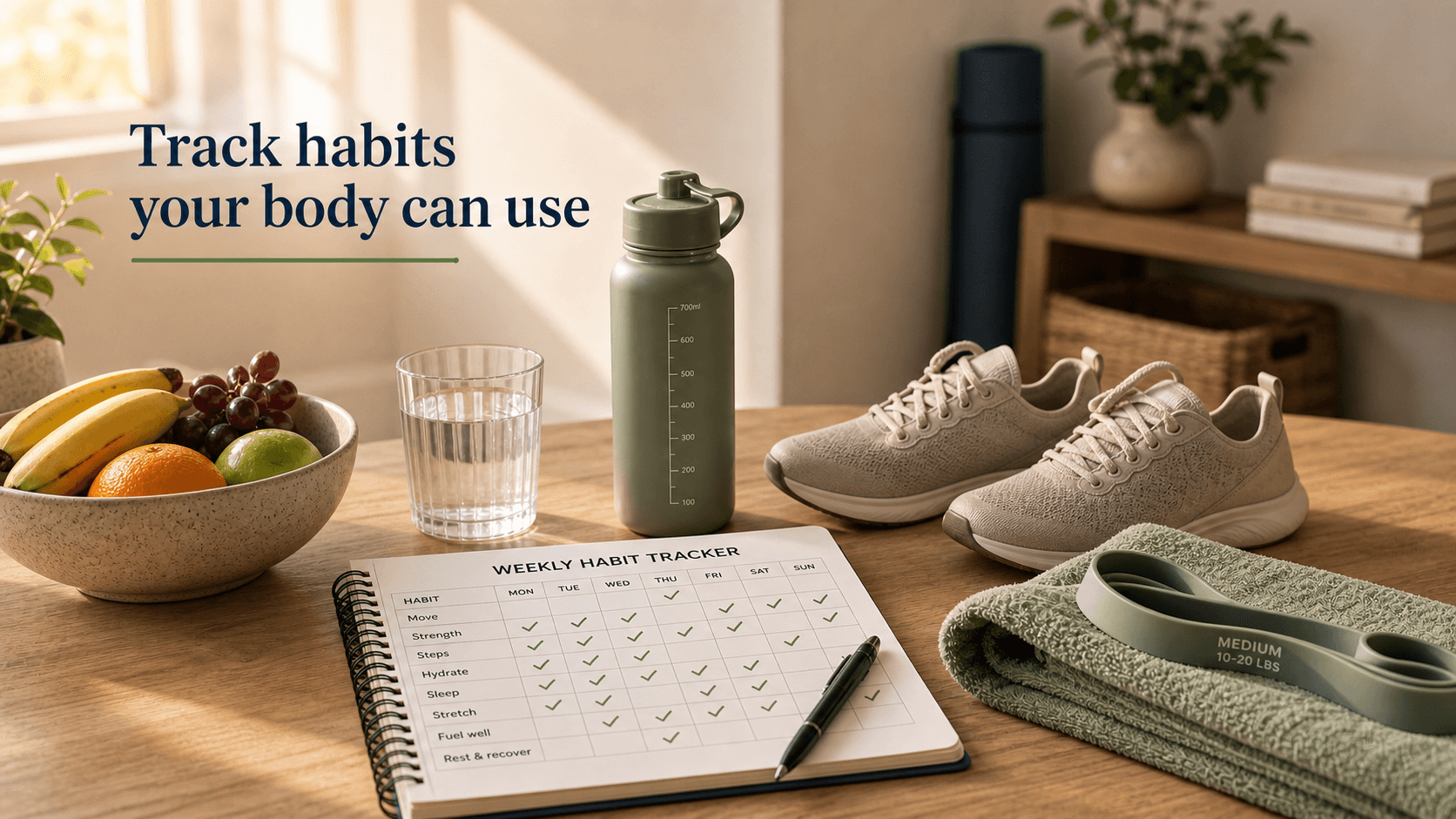
Instead of asking one number to explain your whole body, use a small set of signals.
1) Waist trend
Waist measurement is not perfect, but it can be more relevant than weight alone because abdominal fat is linked with health risk. Measure at the same location, under similar conditions, and focus on the trend over weeks, not daily changes.
2) Strength and function
Can you lift more than last month? Walk farther? Climb stairs with less effort? Carry groceries more comfortably? Get up from the floor more easily? These are health signals too.
3) Energy and sleep
Fat loss plans that destroy sleep, mood, or energy often do not last. If a plan makes you cold, irritable, exhausted, dizzy, or obsessed with food, that is important feedback.
If sleep is a major issue, the broader discussion in daytime sleepiness and body shutdown patterns may help connect rest with daily function.
4) Food consistency
You do not need perfect eating to improve health. A realistic pattern might include enough protein, fiber-rich foods, regular meals, fewer ultra-processed snacks, and less sugary drink intake. The exact plan should fit your culture, budget, schedule, and medical needs.
5) Medical markers
Blood pressure, blood sugar, cholesterol, liver enzymes, medication changes, menstrual changes, sleep apnea symptoms, and joint pain can matter more than whether a device says 22% or 25%.
Body Recomposition Is Often Slow
One reason body fat numbers become frustrating is that people expect the body to change in a clean line.
It rarely does.
If you start resistance training, you may gain muscle, hold more water in trained muscles, and feel stronger before the scale changes much. If you reduce calories aggressively, weight may drop quickly at first from water and food volume, then slow down. If stress or sleep worsens, hunger and training recovery can change.
This is why weekly and monthly patterns matter more than daily numbers.
For many people, a good plan looks boring:
- strength training two or more days per week if appropriate
- regular walking or other enjoyable movement
- enough sleep
- meals that do not leave you constantly ravenous
- protein and fiber most days
- realistic treats without turning every meal into a moral test
- patience with slow progress
The boring plan is often the one the body can actually use.
When to Be More Careful
Body composition content can become unsafe when it turns into obsession.
Consider speaking with a qualified healthcare professional, dietitian, or mental health professional if you notice:
- rapid unintentional weight loss or weight gain
- dizziness, fainting, skipped periods, hair loss, or persistent fatigue
- strict food rules that keep getting narrower
- bingeing, purging, laxative misuse, or compulsive exercise
- panic or shame after weighing yourself
- repeated body checking that disrupts daily life
- very high or very low BMI
- health conditions such as diabetes, kidney disease, heart disease, pregnancy, eating disorder history, or medication-related weight changes
Also seek medical review if weight or body changes come with symptoms such as chest pain, shortness of breath, swelling, severe weakness, ongoing digestive symptoms, or signs of depression.
The Healthier Question
The better question is not, "What is my exact body fat percentage?"
The better question is:
What feedback helps me make a healthier next choice without turning my body into an enemy?
Sometimes that feedback is a scale trend. Sometimes it is a waist measurement. Sometimes it is blood work. Sometimes it is your resting heart rate, your sleep, your gym log, your mood, or how easily you walk after dinner.
Numbers have their place. So do mirrors. But neither should become the judge of your whole life.
Use measurements as instruments, not identities.
The goal is not to live at a perfect percentage. The goal is to build a body that can carry your life with more strength, steadiness, and less fear.
References
- CDC: About Adult BMI
- CDC: Physical Activity for Adults
- NIDDK: Choosing a Safe and Successful Weight-loss Program
- National Heart, Lung, and Blood Institute: Assessing Your Weight and Health Risk
Disclaimer: This article is for general education only. It is not medical advice, diagnosis, nutrition therapy, or a personalized fitness plan. Weight, BMI, body fat, body image, eating behavior, and exercise needs vary by age, sex, medical history, medication use, pregnancy status, disability, and mental health. For personal guidance, especially with rapid weight change, chronic illness, eating distress, or very high or low weight, consult a qualified professional.
Related Reading
Continue reading after Why Obsessing Over Body Fat Percentage Might Be Holding You Back

Why Taking Care of My Teeth Started Feeling Like a Battle Instead of a Routine
A lived-experience editorial on dental uncertainty, trust friction, cost pressure, routine fatigue, and how steadier oral care starts with better questions.

I Thought I Was Invincible — Until One Fall Changed Everything
A personal story of parkour, confidence, a painful fall, injury recovery, safer training progressions, and learning that technique matters more than proving courage.
When Retirement Finally Gave Me the Time to Heal
A personal story about back and hip pain, overwork, physiotherapy, walking, gardening, and how recovery became possible only after life finally slowed down.
Share on WhatsApp
2–3 line summary is copied. Tap to open WhatsApp and share.
 Tip: You can edit the text after it opens in WhatsApp.
Editorial Note
This article is prepared by the HealthUnspoken Editorial Team. Our articles may combine first-person submissions, public health education references, and commonly discussed experiences, then are edited for clarity and context.
The goal is reader awareness and education. This content is not a diagnosis or a treatment plan.
⚕️ Medical Disclaimer
The information provided in this article is for **educational and informational purposes only**. It should not be considered medical advice, diagnosis, or treatment. Always seek the advice of your physician or other qualified healthcare provider regarding any medical condition or treatment decisions.
🧾 Sources
HealthUnspoken articles may include first-person stories, editorial summaries of broadly discussed experiences, and public health education references. They are reviewed by the editorial team for clarity and educational context.
Reader Experiences Shared
Curated anonymized snippets from public health discussions, edited for readability.
I kept thinking body fat vs would settle on its own, but what helped most was tracking patterns and asking clearer questions in appointments.
The hardest part for me was uncertainty around body fat vs. Once I stopped changing everything at once, I could finally see what was helping.
I used to delay care because I was embarrassed about body fat vs. Earlier conversations would have saved me a lot of stress.
A second opinion around body fat vs changed my decisions completely. The issue was still real, but the plan felt calmer and more practical.
For me, progress with body fat vs came from boring consistency, not one dramatic fix. That mindset reduced panic a lot.
I learned to separate fear from facts with body fat vs. Writing down symptoms before visits made discussions more useful.