Rethinking Alcohol and Health: What Changed in My Routine
- Authors

- Name
- Author: HealthUnspoken Editorial Team
- Published on
- Last updated:
- Country
- Country
- 🌍Country: Global
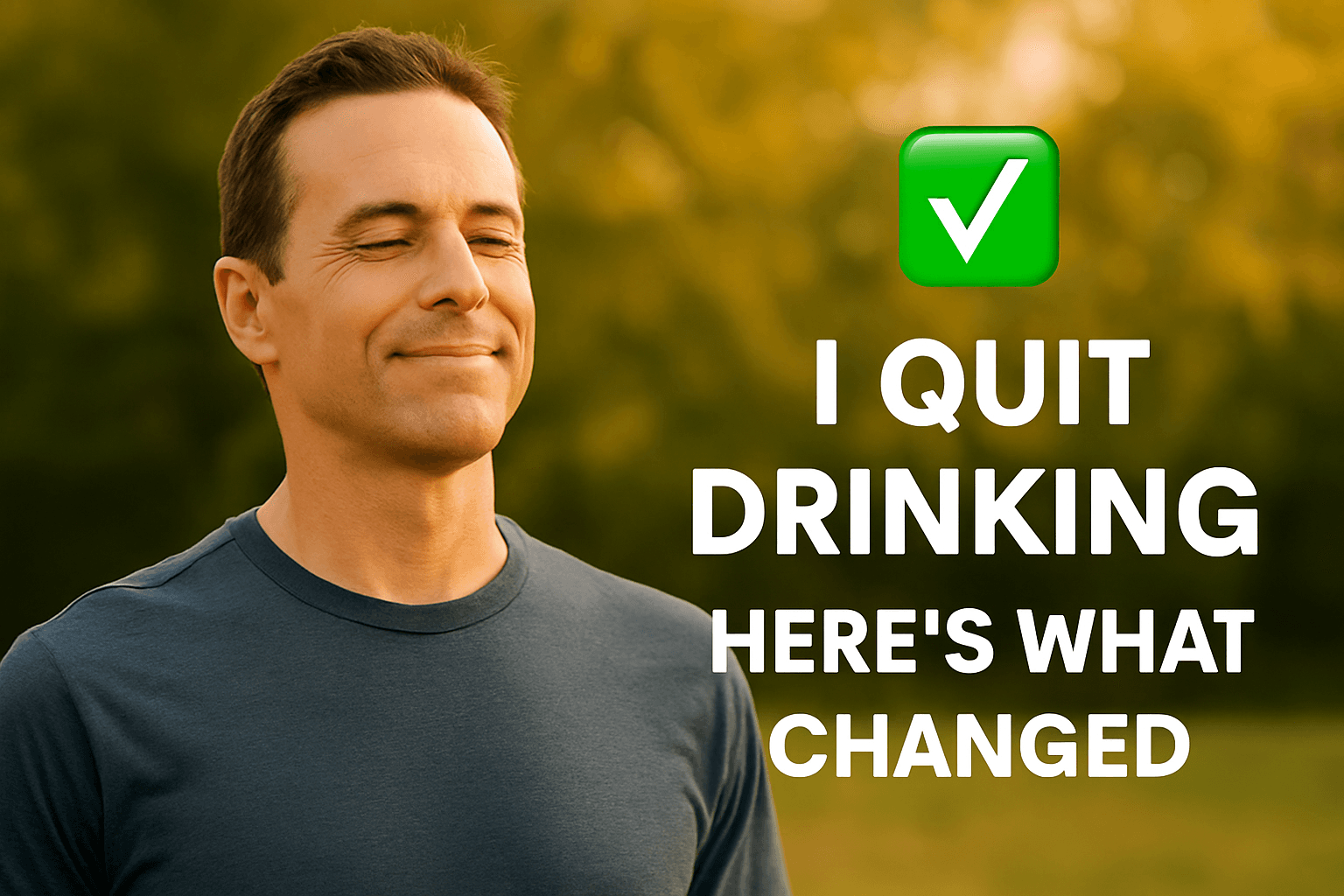
I was not a daily heavy drinker, but I noticed that even moderate social drinking seemed to affect my sleep, energy, and weight. This article shares what I experienced, what people commonly report, and what public-health guidance says, without treating one story as a universal rule.
What people commonly report
In conversations around alcohol and wellness, many people describe similar patterns:
- harder sleep nights after drinking, even when they fall asleep quickly
- next-day fatigue, low focus, or lower workout quality
- gradual weight gain when alcohol becomes a regular weekly habit
- mood swings, especially when stress is already high
Some people notice big changes after reducing alcohol, while others report smaller differences. Results can vary widely based on age, sex, genetics, medications, sleep quality, and overall diet.
Why this might happen (basic explanation)
Alcohol is processed by the liver, and the body often prioritizes clearing alcohol before other metabolic tasks. In some cases, that can affect appetite signals, sleep architecture, and next-day recovery.
A few high-level mechanisms that may matter:
- Sleep disruption: alcohol may reduce sleep quality later in the night, even if it helps with initial drowsiness.
- Energy balance: alcoholic drinks can add calories without much satiety, which can make weight management harder for some people.
- Recovery stress: regular drinking can increase physiologic stress and may interfere with exercise recovery in some individuals.
This does not mean every person will have the same response, but it helps explain why some people feel better when they cut back.
What research suggests (high-level)
Major public-health bodies generally describe alcohol risk as dose-dependent, with higher intake linked to higher long-term health risk. Some guidance also emphasizes that even lower levels are not risk-free.
At the same time, research at the individual level is nuanced:
- short-term effects differ significantly between people
- lifestyle context (diet, stress, sleep, smoking, activity) changes outcomes
- risk communication is about probability, not certainty for one person
So, the practical takeaway is usually not "panic" or "all-or-nothing," but informed decision-making.
What this does NOT mean
- It does not mean one drink will immediately cause serious disease.
- It does not mean everyone must quit completely to improve health.
- It does not mean personal stories can replace clinical advice.
- It does not mean alcohol is the only reason for fatigue, weight change, or mood symptoms.
If you choose to drink, harm-reduction steps (lower frequency, smaller amounts, alcohol-free days) may be realistic for many people.
When to seek medical advice
Consider speaking with a clinician if you notice:
- difficulty cutting down despite trying
- withdrawal-like symptoms (shaking, sweating, anxiety, nausea)
- persistent sleep problems, low mood, or memory changes
- liver-related warning signs (jaundice, right upper abdominal pain, unexplained swelling)
- alcohol use alongside chronic conditions or medications
Urgent help is important if there are signs of severe withdrawal, confusion, self-harm thoughts, or other acute safety concerns.
Final thoughts
Reducing alcohol improved my routine, but that experience is not a universal prescription. For me, the biggest benefit was clearer mornings and better consistency with sleep and exercise.
If you are evaluating your own alcohol habits, a balanced approach can help: track patterns, make one change at a time, and involve a qualified clinician when needed.
References for general understanding
- World Health Organization (WHO)
- Centers for Disease Control and Prevention (CDC)
- National Institutes of Health (NIH)
- National Health Service (NHS)
Related topics
Keep exploring after Rethinking Alcohol and Health: What Changed in My Routine
Bloating
Based on 10,000+ signals, bloating is described as abdominal fullness and distension. Key data identifies fermentation of FODMAPs, gut sensitivity, and slow transit as primary drivers, while movement and ACV show high success.
Acidity
A practical overview of acidity patterns people report, what tends to help, and where to be cautious. Informational only; not medical advice.
Constipation
A practical view of constipation patterns, common triggers, and helpful habits. Informational only; not medical advice.
PCOS (Polycystic Ovary Syndrome)
PCOS is a common hormone-related condition most often linked to irregular ovulation, higher androgen activity (acne, excess hair growth, scalp hair thinning), and metabolic features like insulin resistance. It exists on a spectrum: some people are overweight, others are not, and symptoms can vary widely.
Male infertility
Community discussions around male fertility focus on sperm quality (count, motility, morphology), semen concerns, varicocele, and hormone/sexual-function questions. The most repeated self-actions include reducing heat exposure, lifestyle changes over 2–3 months, and targeted nutrients.
Pregnancy
Pregnancy questions in real discussions cluster around diet safety (especially keto/low-carb/fasting), nausea, gestational diabetes, blood pressure concerns, thyroid changes, gallbladder/gallstones, swelling, constipation, and supplement safety. People want practical rules: what’s normal, what’s risky, and when to see a doctor.
Banana
Informational notes on Banana with cautious guidance and limits.
Curd (Yogurt)
Informational notes on Curd (Yogurt) with cautious guidance and limits.
Oats
Informational notes on Oats with cautious guidance and limits.
Iron
Informational notes on Iron with cautious guidance and limits.
Share on WhatsApp
2–3 line summary is copied. Tap to open WhatsApp and share.
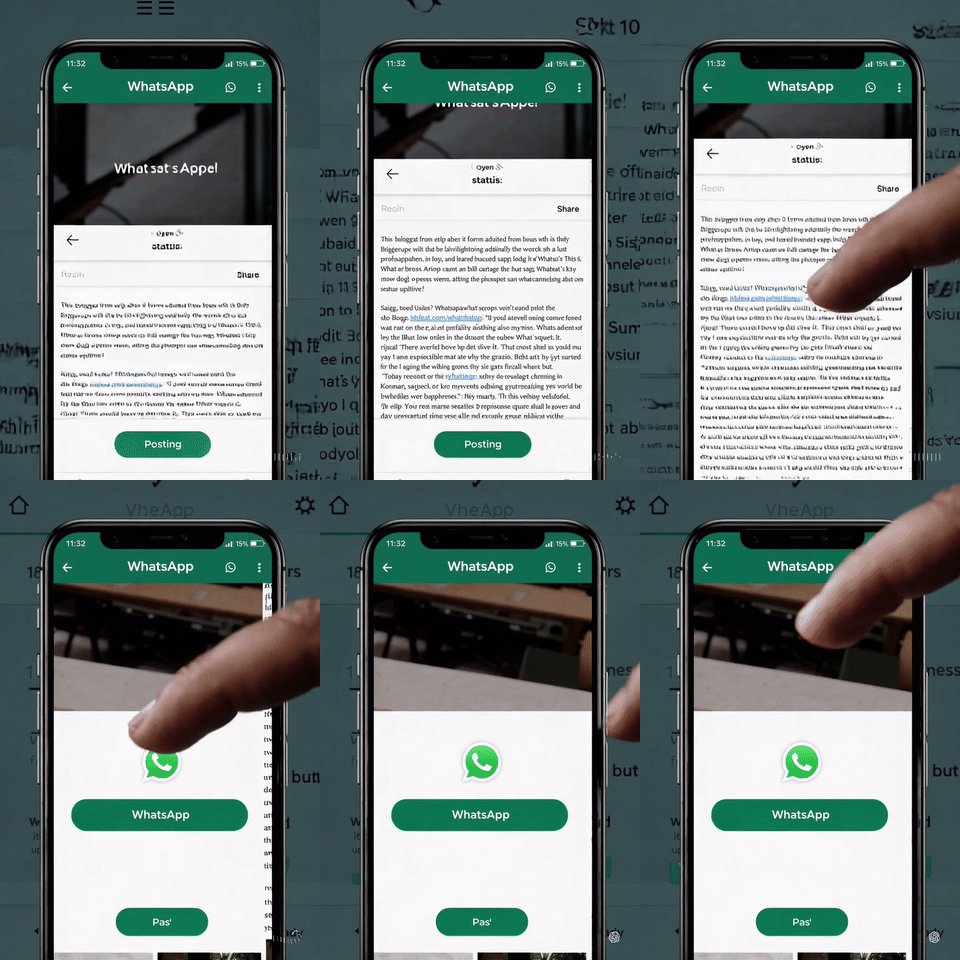 Tip: You can edit the text after it opens in WhatsApp.
Editorial Note
This article is prepared by the HealthUnspoken Editorial Team. Our articles may combine first-person submissions, public health education references, and commonly discussed experiences, then are edited for clarity and context.
The goal is reader awareness and education. This content is not a diagnosis or a treatment plan.
⚕️ Medical Disclaimer
The information provided in this article is for **educational and informational purposes only**. It should not be considered medical advice, diagnosis, or treatment. Always seek the advice of your physician or other qualified healthcare provider regarding any medical condition or treatment decisions.
🧾 Sources
HealthUnspoken articles may include first-person stories, editorial summaries of broadly discussed experiences, and public health education references. They are reviewed by the editorial team for clarity and educational context.