
I Didn’t Lose My Smile Overnight — I Lost It Slowly Without Realizing
- Authors

- Name
- Author: HealthUnspoken Editorial Team
- Published on
- Last updated:
- Country
- Country
- 🌍Country: Global
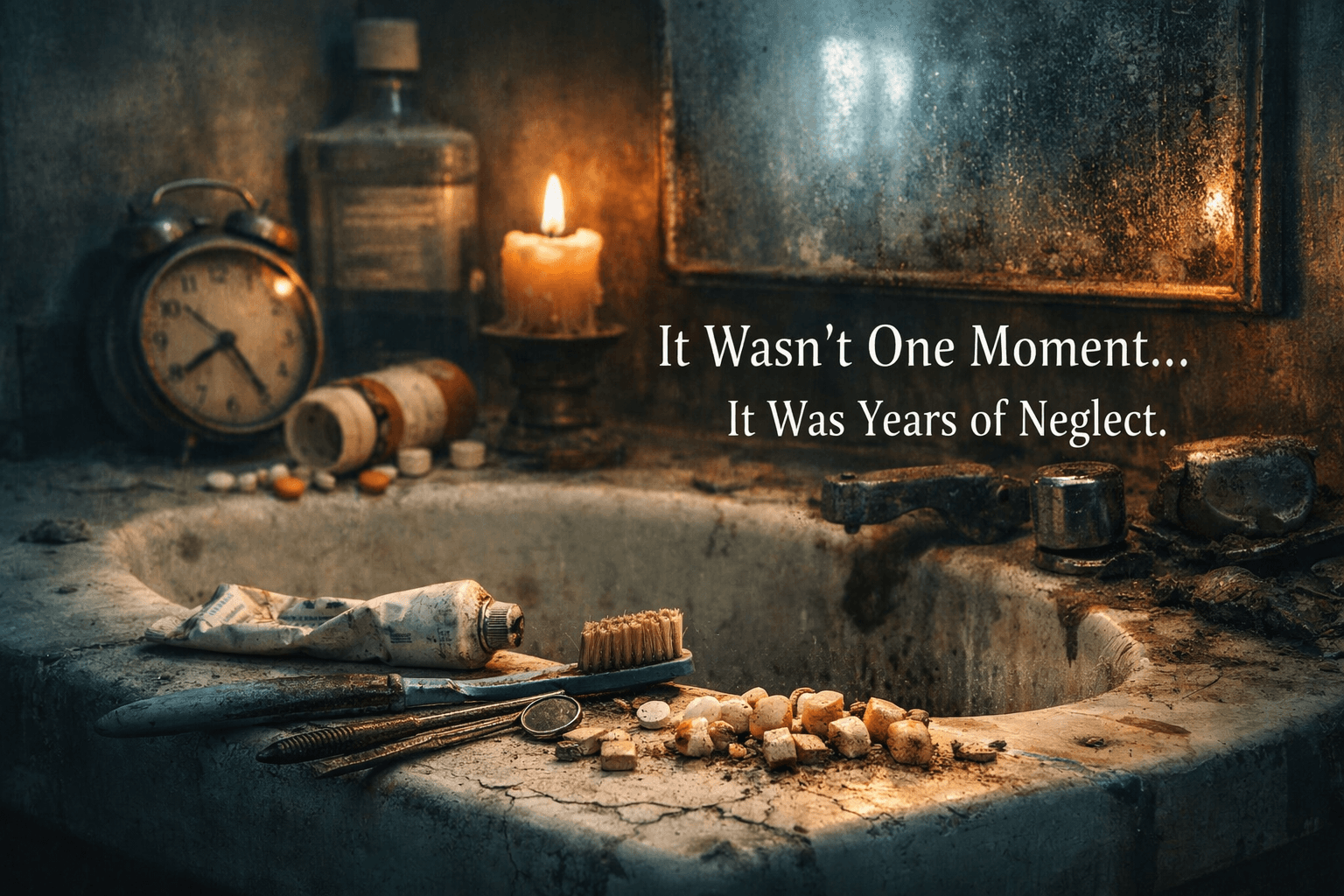
I did not lose my smile in one dramatic event. I lost it in increments. A skipped checkup here. A delayed filling there. A season of stress where survival took priority and oral care became "tomorrow's problem." By the time I finally looked at myself honestly, I was not just managing dental symptoms. I was managing shame, fear, and a version of myself I no longer recognized.
Expectation vs Reality
What I expected
I believed oral health was a simple checklist:
- brush
- floss
- see a dentist when needed
- avoid major damage
I assumed if I was "mostly responsible," things would stay manageable.
What actually happened
Real life was not a checklist. It was pressure.
Work. Family responsibility. Money stress. Mental fatigue. Interrupted sleep.
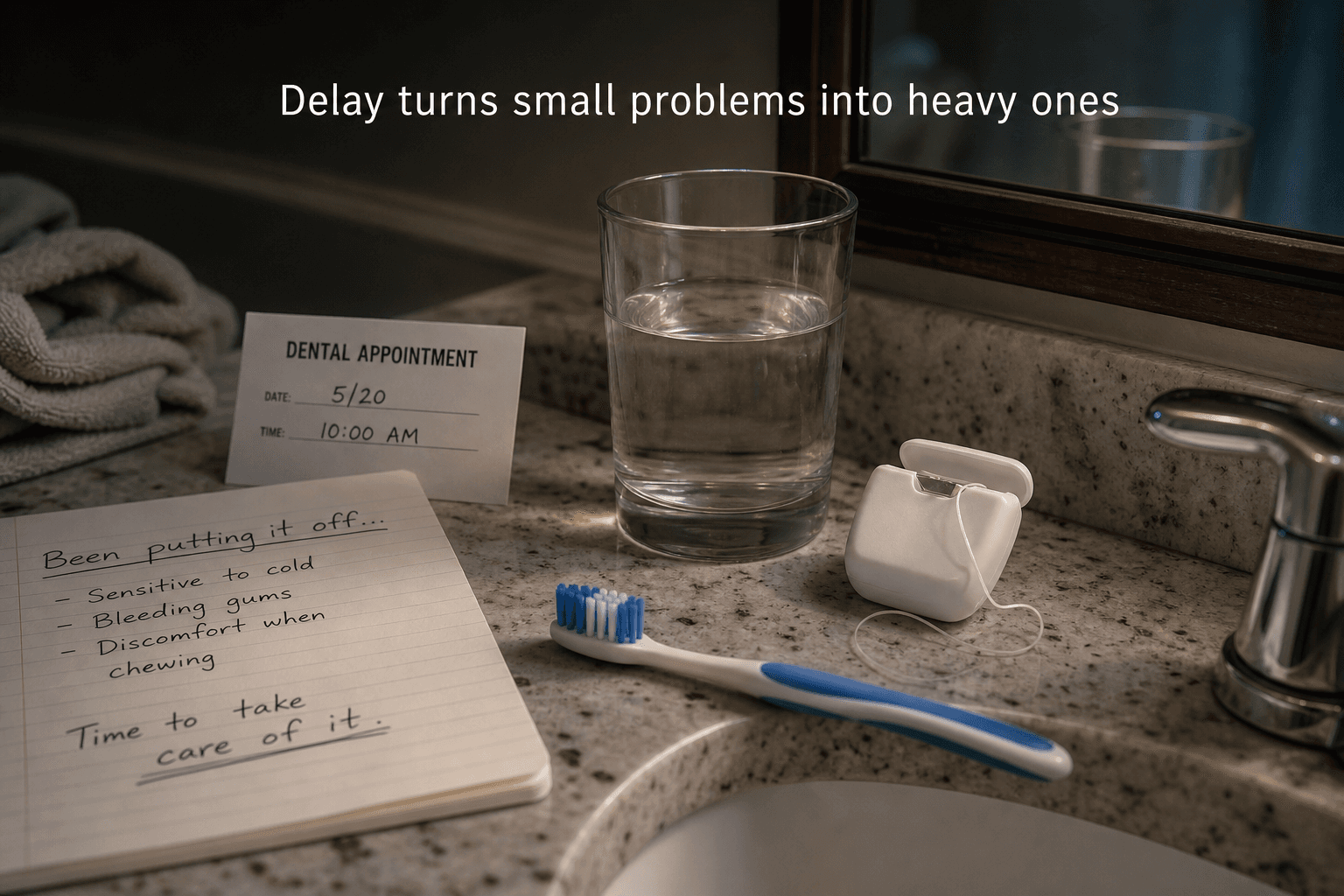
In that kind of life, dental care does not fail in one day. It fades through postponement. The problem is that teeth and gums rarely scream at the beginning. They whisper first. By the time they shout, treatment is harder, slower, and more expensive.
How the Decline Usually Starts
Most people do not "give up" on oral care. They drift.
First it is missed follow-up. Then "I will book next month." Then managing sensitivity with workarounds instead of evaluation.
A common lived pattern across dental comments was this:
- symptoms begin as mild irritation
- pain comes and goes, so it feels negotiable
- fear and cost delay definitive treatment
- symptoms return stronger
- confidence drops
Many people described years of this loop before seeking consistent care.
The Hidden Triggers: Stress, Mood, and Survival Mode
One recurring theme from comments was mental load.
People in prolonged stress states often neglected basics they were not proud to neglect. Not because they were careless, but because their bandwidth was gone.
Some openly said depression made brushing feel impossible on bad days. Others said grief or chronic anxiety reduced self-care to the minimum needed to get through the day.
This matters because guilt alone does not restore habits. Shame usually deepens avoidance.
When oral health falls inside a broader burnout or mental-health period, the right response is not "try harder." It is building a smaller, sustainable routine and lowering the friction to start.
When Pain Becomes the Center of Daily Life
By the time dental damage becomes obvious, life can narrow quickly.
People reported:
- chewing only on one side
- avoiding hot, cold, or crunchy food
- sleeping poorly due to throbbing pain
- waking with jaw tension and fear
- relying on pain medication while waiting for appointments
At that stage, food is no longer just nutrition. It becomes risk management.
The emotional spillover is immediate: lower energy, irritability, social withdrawal, and fear of being judged for visible dental changes.
The Treatment Fear Loop
Many comments around extraction and severe dental pain showed a pattern most clinics underestimate:
people are not only afraid of the procedure, they are afraid of what happens after.
Questions repeat across stories:
- Will pain be worse after treatment?
- What if healing goes wrong?
- What if I cannot afford the next step?
- What if no one explained aftercare clearly?
One striking theme was communication gaps. People repeatedly said they left procedures unsure of aftercare details, then panicked during normal healing changes. That panic often sent them to search threads and comment sections at night, where mixed advice increased fear.
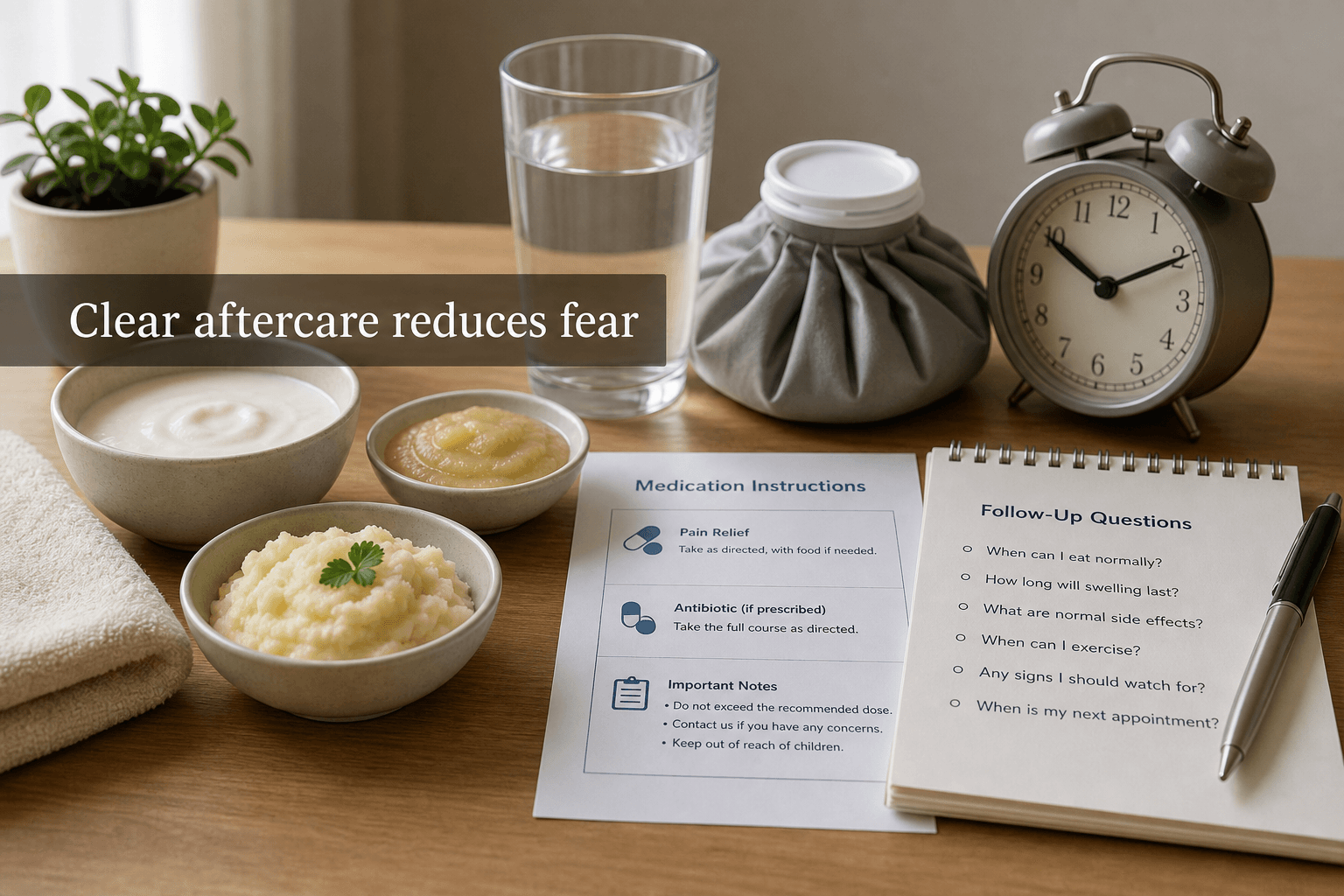
The lesson is simple: anxiety drops when care instructions are specific, realistic, and written in plain language.
What the tighter comment pull added
I pulled a bounded MySQL sample from the curated comments_high_quality tables before revising this article. The first pass was too broad and pulled in a lot of routine debates. The tighter pass was more useful because it focused on pain, embarrassment, delay, and aftercare.
The recurring patterns were familiar:
- people trying not to smile because of staining, damage, or visible dental changes
- pain becoming real only when it started interrupting sleep
- one shaming or rushed dental interaction making the next visit much harder to book
- confusion after extraction or deep cleaning about what was normal healing and what was not
- people delaying care because they were scared of both the procedure and the cost of the next step
That is what makes this kind of decline so slow.
Often the problem is serious enough to affect confidence and sleep long before it feels serious enough to force steady action.
Experience Blocks
1) "I thought I could wait one more month"
"My tooth hurt on and off, so I kept postponing. It only became urgent when pain started waking me at night. By then I was not deciding calmly, I was deciding in panic."
2) "I was embarrassed to smile before I was in severe pain"
"The physical pain came later. First came social changes. I stopped laughing fully in photos. I covered my mouth when speaking. It felt small at first, but it changed how I showed up with people."
3) "No one explained what normal healing looks like"
"After extraction I felt sensations I did not expect. Because I was not clearly prepared, every change felt dangerous. Better instructions would have saved me days of fear."
4) "Kindness changed my follow-through"
"The first dentist I saw made me feel judged. I delayed going back. The next one explained options without shaming me. Same problem, completely different outcome because I finally trusted the plan."
What Felt Common
Across varied backgrounds, a few patterns repeated:
- delayed care usually came from overload, fear, or money pressure, not indifference
- oral pain disrupted sleep faster than many expected
- cost and uncertainty pushed people into stop-start treatment cycles
- embarrassment reduced social confidence before physical function fully declined
- clear communication improved adherence more than lecture-style advice
Another important pattern: people often blamed themselves harshly while underestimating structural barriers such as scheduling, access, and treatment affordability.
Self-blame did not improve outcomes. Practical planning did.
What People Slowly Realized
The most useful realizations were not dramatic:
- prevention feels boring, but repair is much harder
- short daily consistency beats occasional intense effort
- oral health is connected to sleep, stress, and food patterns
- asking questions early is cheaper than waiting for crisis
- fear reduces when next steps are clear and phased
Many also realized that rebuilding confidence is part of recovery. Fixing pain alone is not enough if the person still feels ashamed to speak, eat, or smile in public.
Practical Stabilizers That Helped
These are not universal cures. They are repeatable practices people found useful.
1) Minimum viable oral-care routine
On bad days, a small non-negotiable baseline helped: short brush + quick interdental clean + water rinse before sleep.
Consistency mattered more than perfection.
2) Trigger-aware eating during unstable periods
When symptoms flared, people reduced obvious triggers and shifted to lower-irritation meals while waiting for care, rather than forcing normal eating and worsening pain.
3) Written appointment prep
Bringing 5-6 concrete questions improved visits:
- what is urgent now?
- what can wait safely?
- what are alternatives and costs?
- what should I monitor at home?
4) Aftercare clarity check
Before leaving treatment, people benefited from confirming:
- normal healing timeline
- warning signs
- pain-control plan
- who to contact if symptoms change
5) Shame-free support
Support worked best when it was practical and non-judgmental: transport help, meal adjustments, or someone present during appointments.
What Should Not Be Ignored
Experience stories can help people feel less alone, but persistent or escalating symptoms need direct dental assessment.
Seek prompt dental care for:
- severe or worsening tooth pain
- gum or facial swelling
- fever with oral pain
- pus, foul taste, or suspected infection
- persistent bleeding
- difficulty opening the mouth, swallowing, or breathing
- broken/loose teeth after trauma
If facial swelling is spreading rapidly, breathing is difficult, or you feel systemically unwell, seek emergency care immediately.
Closing Reflection
Losing your smile is rarely about appearance alone.
It is about pain. It is about dignity. It is about feeling present in your own life again.
What changed for me was not one magical treatment. It was a shift from avoidance to steady action: smaller habits, earlier questions, clearer plans, and less self-punishment.
If you are in this phase now, late is still better than never. A slow rebuild is still a rebuild.
References
- NIDCR: Oral Hygiene
- NIDCR: Tooth Decay
- NIDCR: Periodontal (Gum) Disease
- MedlinePlus: Toothaches
Disclaimer: This article is for educational purposes only and is not medical advice. Individual oral-health problems vary, and ongoing pain, swelling, infection, broken teeth, or trouble eating can worsen when care is delayed. If symptoms are escalating, or if facial swelling, fever, trouble swallowing, or breathing difficulty is present, seek urgent dental or emergency care.
Related Reading
Related Reading
Continue reading after I Didn’t Lose My Smile Overnight — I Lost It Slowly Without Realizing
When the Mind Influences the Body: A Long Journey Through Unexplained Physical Symptoms
A deeply personal story of recurring physical symptoms that began in childhood and the long, confusing journey of trying to understand what was really happening.
I Kept Pushing Through the Pain… Until It Took Everything From Me
A personal journey through years of untreated back pain, difficult decisions, and the emotional reality of living with sciatica and surgery aftermath.
GERD, Reflux, and the Fear Loop: What Took Me Years to Understand
A long-form lived-experience pillar on chronic reflux, nighttime pain, anticipatory anxiety, daily tradeoffs, and what helped create stability over time.
Share on WhatsApp
2–3 line summary is copied. Tap to open WhatsApp and share.
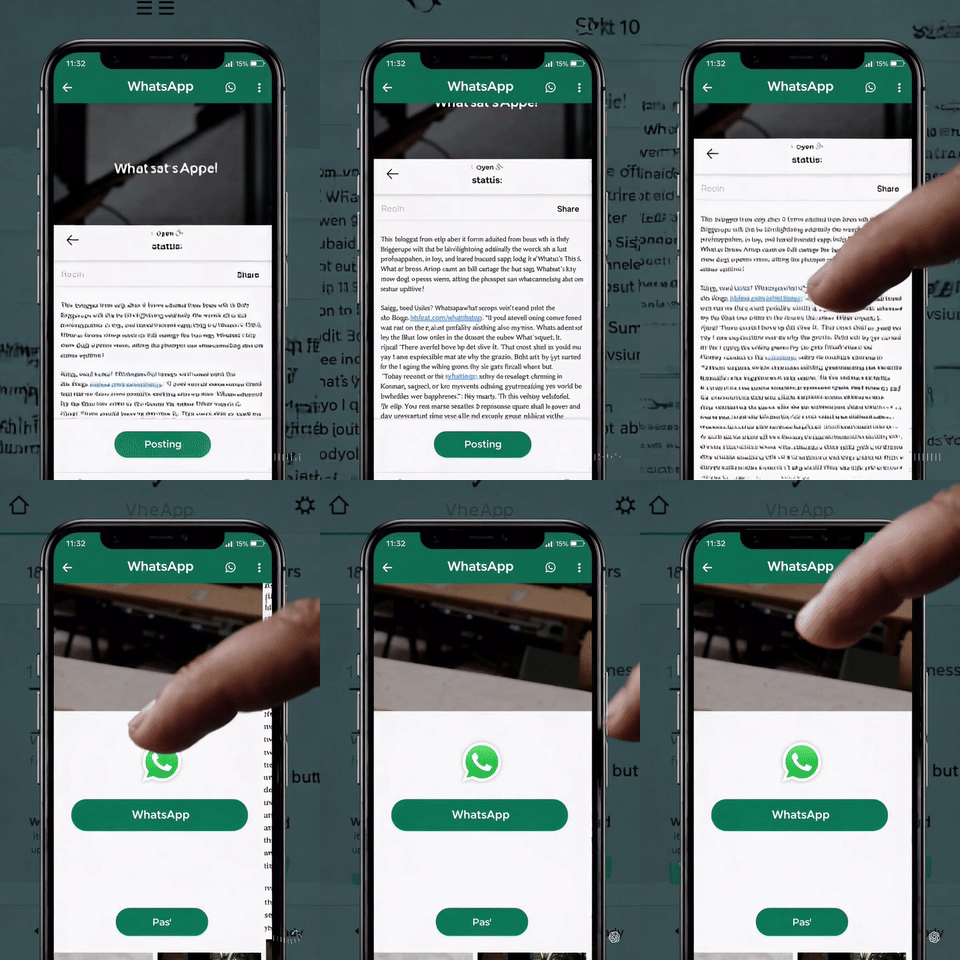 Tip: You can edit the text after it opens in WhatsApp.
Editorial Note
This article is prepared by the HealthUnspoken Editorial Team. Our articles may combine first-person submissions, public health education references, and commonly discussed experiences, then are edited for clarity and context.
The goal is reader awareness and education. This content is not a diagnosis or a treatment plan.
⚕️ Medical Disclaimer
The information provided in this article is for **educational and informational purposes only**. It should not be considered medical advice, diagnosis, or treatment. Always seek the advice of your physician or other qualified healthcare provider regarding any medical condition or treatment decisions.
🧾 Sources
HealthUnspoken articles may include first-person stories, editorial summaries of broadly discussed experiences, and public health education references. They are reviewed by the editorial team for clarity and educational context.
Reader Experiences Shared
Curated anonymized snippets from public health discussions, edited for readability.
I kept delaying treatment because the pain would calm down for a few days, then return worse. By the time I went in, I was deciding in panic, not planning.
The hardest part was night pain. I could function during the day, then wake up with throbbing pain and no energy the next morning.
I wish my dentist had explained aftercare clearly the first time. Most of my fear came from not knowing what was normal healing and what was not.
When my mental health was low, brushing felt impossible some days. A tiny non-negotiable routine helped me restart without feeling overwhelmed.
Before severe pain, I had already stopped smiling fully in photos. I did not realize how much oral health had affected my confidence until I started recovering.
What helped most was a dentist who gave phased options with costs and urgency. Clear plans reduced fear more than motivational talk ever did.